Location:





Home Generator Installation & Repair in Northern Delaware
★ Trusted by 1,954+ Customers


A generator can keep essential systems running when utility power is interrupted. Harris Plumbing, Heating, Air & Electric provides generator installation, replacement, repair, and maintenance throughout New Castle and Kent Counties.
Our electricians help homeowners prepare for outages caused by storms, equipment failures, and utility disruptions. We serve Wilmington, Newark, Bear, Middletown, Smyrna, Dover, and surrounding Delaware communities.
For help selecting, installing, or servicing a home generator, contact Harris Plumbing, Heating, Air & Electric.
Home Generator Services We Provide
Generator equipment must be matched to the home, connected correctly, and tested under realistic operating conditions.
Our generator services include:
-
Standby generator installation
-
Generator replacement
-
Generator repair
-
Generator maintenance
-
Transfer switch installation and service
-
Generator load evaluations
-
Electrical panel coordination
-
Generator wiring
-
Startup testing
-
Troubleshooting failed automatic operation
-
Service for generators that will not start
-
Inspection of existing generator connections
-
Surge protection recommendations
-
Emergency generator electrical service
Our electricians evaluate the generator, transfer equipment, panel, and connected circuits before recommending work.
Standby Generator Installation
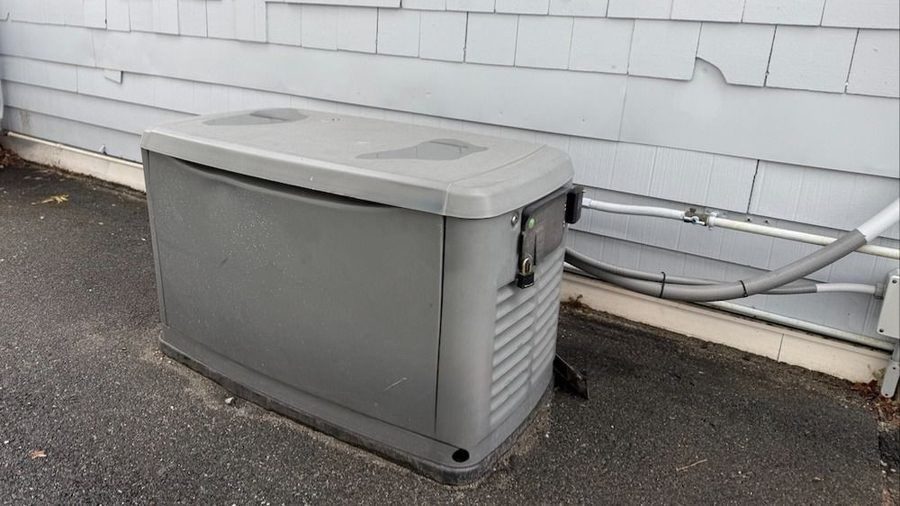
A standby generator is permanently installed outside the home and connected to the electrical system through a transfer switch. When utility power fails, the system can start automatically and supply power to selected circuits or a larger portion of the home.
A complete installation may involve:
-
Evaluating the home’s electrical demand
-
Selecting generator capacity
-
Choosing a suitable outdoor location
-
Installing a concrete or approved mounting base
-
Connecting the generator to the electrical system
-
Installing an automatic transfer switch
-
Coordinating with the existing electrical panel
-
Connecting the approved fuel supply
-
Testing startup and load transfer
-
Explaining basic homeowner operation
Generator size should be based on the equipment the homeowner expects to run during an outage, not just the property’s square footage.
How a Standby Generator Works
A standby generator monitors the utility power supply through an automatic transfer switch.
When an outage occurs, the system typically follows this sequence:
-
The transfer switch detects the loss of utility power.
-
The generator starts.
-
The transfer switch disconnects the home from the utility supply.
-
Generator power is sent to the selected circuits.
-
The system continues operating until utility power returns.
-
The transfer switch reconnects the home to utility power.
-
The generator completes a cooldown period and shuts down.
This automatic process allows the system to operate even when no one is home.
The exact sequence and timing depend on the generator and transfer switch model.
Whole-Home and Essential-Circuit Generators
Homeowners can choose between systems designed to support most of the home and systems that power a limited group of essential circuits.
Whole-Home Generator Systems
A whole-home generator may support major appliances, HVAC equipment, lighting, outlets, and other household systems. Actual coverage depends on generator output and the home’s electrical demand.
Larger systems may use load-management controls to prevent several high-demand appliances from starting at the same time.
Essential-Circuit Generator Systems
An essential-circuit system powers selected equipment during an outage. Common priorities include:
-
Refrigerator and freezer
-
Sump pump
-
Well pump
-
Heating equipment
-
Selected lighting
-
Internet equipment
-
Medical devices
-
Garage door opener
-
Kitchen outlets
-
Security systems
An essential-circuit setup may be appropriate when the homeowner does not need every appliance operating at once.
Choosing the Right Generator Size
A generator that is too small may overload, shut down, or fail to support the equipment connected to it. A generator that is larger than necessary may add cost without providing a practical benefit.
Generator sizing should consider:
-
Heating and cooling equipment
-
Well pump demand
-
Sump pump demand
-
Refrigerators and freezers
-
Electric water heating
-
Cooking appliances
-
Lighting and outlet circuits
-
Medical equipment
-
Home office equipment
-
Garage doors
-
Future electrical needs
-
Equipment starting loads
Motors and compressors often require more power when they start than they use while running.
Our electricians review the expected loads and explain which systems the proposed generator can support.
Automatic Transfer Switch Installation
The transfer switch is one of the most important parts of a standby generator system. It separates the home from the utility supply before generator power is introduced.
This prevents backfeeding, which can endanger utility workers, damage equipment, and create fire or shock hazards.
Transfer equipment may be configured to power:
-
The entire electrical panel
-
A dedicated emergency panel
-
Selected circuits
-
Managed high-demand loads
The transfer switch must be compatible with the generator, electrical service, and intended operating plan.
Generator Installation and Electrical Panels
The condition and configuration of the electrical panel can affect a generator installation.
Before work begins, our electricians evaluate:
-
Main service size
-
Panel condition
-
Breaker arrangement
-
Available space
-
Grounding and bonding
-
Existing high-demand equipment
-
Previous electrical modifications
-
Transfer switch location
-
Circuit priorities
An older panel does not automatically require replacement. The recommendation should be based on its condition, capacity, compatibility, and available installation options.
When needed, Harris can provide electrical panel service as part of the broader project.
Portable Generators and Home Wiring
Portable generators can provide temporary power, but they must be connected and operated correctly.
Never connect a portable generator to a household outlet. This practice, sometimes called backfeeding, can energize utility lines and create serious shock, fire, and equipment risks.
A safer setup may include:
-
A properly installed transfer switch
-
A generator inlet
-
Approved outdoor-rated connections
-
Correctly sized cords
-
Selected emergency circuits
-
Carbon monoxide precautions
Portable generators must be operated outdoors and away from doors, windows, vents, garages, and occupied areas.
Follow manufacturer instructions for placement, fueling, grounding, maintenance, and operation.
Generator Repair
A standby generator may fail because of a battery problem, fuel issue, control fault, damaged connection, transfer switch problem, or internal equipment failure.
Schedule generator repair when:
-
The generator will not start
-
The system starts but does not supply power
-
The generator shuts down unexpectedly
-
Warning lights or fault codes appear
-
The automatic transfer switch does not operate
-
The weekly exercise cycle does not run
-
The generator sounds unusual
-
Fuel odors are present
-
The battery repeatedly loses charge
-
Breakers trip when generator power is active
-
The system leaks oil or coolant
-
Power fluctuates during operation
Do not remove covers or reach into operating equipment. Generator systems contain electrical, mechanical, and fuel-related hazards.
Urgent problems involving sparking, overheating, damaged wiring, or unstable power may require an emergency electrician.
Generator Maintenance
Routine maintenance helps reduce the chance of a generator failing during an outage.
Maintenance needs vary by model and operating history but may include:
-
Checking the battery
-
Inspecting electrical connections
-
Reviewing fault history
-
Checking fluid levels
-
Inspecting belts and hoses
-
Replacing filters
-
Checking the enclosure
-
Testing the transfer switch
-
Confirming the exercise cycle
-
Running the system under load
-
Inspecting for corrosion, leaks, and damage
A generator that runs only during a brief weekly exercise cycle can still develop problems between outages.
Service should be based on manufacturer guidance, operating hours, environmental exposure, and system age.
Signs a Generator Needs Replacement
Repair is not always the best option for an older or unreliable generator.
Replacement may be appropriate when:
-
The system has repeated failures
-
Major parts are no longer available
-
The generator cannot support current household needs
-
Corrosion has damaged the enclosure or connections
-
Repair costs are increasing
-
The transfer equipment is outdated
-
The generator has sustained storm or flood damage
-
The system cannot operate safely
-
The homeowner wants broader outage coverage
Before recommending replacement, our electricians assess the generator, transfer equipment, panel, and expected power needs.
Generator Safety During an Outage
Generators can provide dependable backup power, but incorrect use can create serious risks.
Keep Portable Generators Outside
Portable generators produce carbon monoxide. They should never be operated inside a home, garage, basement, shed, crawlspace, or enclosed porch.
Keep Equipment Dry
Do not operate portable equipment in standing water or exposed to rain. Use only approved weather protection that does not trap exhaust.
Avoid Backfeeding
Never plug a generator into a household receptacle. Use approved transfer equipment installed by a qualified electrician.
Allow Equipment to Cool Before Refueling
Hot generator components can ignite spilled fuel. Follow manufacturer instructions and keep fuel in approved containers.
Do Not Overload the Generator
Connect only equipment the generator can support. Overloading may damage the generator, appliances, cords, and connected wiring.
Keep Clear of Moving and Hot Parts
Generator components can become hot during operation. Do not remove covers or attempt repairs while the system is running.
Generator Problems After a Storm
Storms can damage more than the utility system. Lightning, wind, flooding, and voltage fluctuations may affect generators, transfer switches, panels, wiring, and connected appliances.
After severe weather, watch for:
-
A generator that does not start
-
Damaged outdoor equipment
-
Water near electrical components
-
Loose conduit or wiring
-
Burn marks
-
Fault codes
-
Unusual sounds
-
Failed transfer operation
-
Appliances that do not work correctly after power returns
Do not approach generator or electrical equipment surrounded by water.
Whole-home surge protection may help reduce damage from certain voltage events, but it does not eliminate every storm-related risk.
Our Generator Service Process
Generator work should account for the equipment, electrical system, fuel source, and household power needs.
1. Review the Home’s Backup Power Goals
We identify which appliances and systems the homeowner wants to operate during an outage.
2. Inspect the Electrical System
Our electrician checks the panel, service size, circuit arrangement, grounding, and available installation options.
3. Evaluate the Generator Equipment
For a new installation, we review generator capacity, location, transfer equipment, and connection requirements.
For a repair, we inspect the existing generator, transfer switch, wiring, controls, and visible fault conditions.
4. Explain the Recommended Work
We explain the proposed installation or repair, expected generator coverage, and any related electrical work.
5. Complete the Authorized Service
Our electricians install or repair the approved electrical components and coordinate the system with the home’s panel and transfer equipment.
6. Test Operation
We test startup, transfer, connected circuits, and return to utility power. For new systems, we also explain basic operation and monitoring.

Book online or call to schedule a service today!
Need service? Our team is just a phone call away.Generator Service for Delaware Homes
Power outages in Delaware may be caused by thunderstorms, tropical systems, winter weather, fallen trees, high winds, equipment failures, and utility work.
Homes in Wilmington and older parts of New Castle County may have limited panel space, detached garages, or electrical systems that have been changed over several decades.
Properties in Newark, Bear, and Middletown may have central air conditioning, electric appliances, home offices, and other loads that affect generator sizing.
Homes in Smyrna, Dover, and less densely developed parts of Kent County may rely on well pumps, sump pumps, septic equipment, detached buildings, or longer private electrical runs. Loss of power can affect water, drainage, heating, refrigeration, and communication at the same time.
Our electricians evaluate the home and its essential systems before recommending a generator plan.
Preparing for a Power Outage
A generator is one part of a broader outage plan.
Homeowners can prepare by:
-
Keeping the generator area clear
-
Scheduling routine maintenance
-
Confirming the exercise cycle runs
-
Knowing which circuits receive backup power
-
Keeping portable-generator fuel stored safely
-
Testing carbon monoxide detectors
-
Keeping flashlights and batteries available
-
Protecting sensitive electronics
-
Keeping generator documentation accessible
-
Addressing fault codes before severe weather
A generator should not be assumed to be ready simply because it worked during the last outage.
Why Delaware Homeowners Choose Harris
Generator installation and service require coordination between the generator, transfer equipment, panel, wiring, and household loads.
Harris Plumbing, Heating, Air & Electric provides:
-
Standby generator installation
-
Generator repair and maintenance
-
Transfer switch installation and service
-
Generator load evaluations
-
Electrical panel coordination
-
Troubleshooting for failed automatic operation
-
Service throughout New Castle and Kent Counties
-
Support from a full-service electrical company
Our electricians explain what the generator can support and complete the work based on the home’s actual electrical system.
Schedule Generator Service in Delaware
Do not wait for the next outage to discover that a generator will not start or transfer power. Harris Plumbing, Heating, Air & Electric provides generator installation and service throughout Wilmington, Newark, Bear, Middletown, Smyrna, Dover, and surrounding communities in New Castle and Kent Counties.
Contact Harris to schedule generator installation, repair, replacement, or maintenance for your Delaware home.

$50 OFF
Any Repair
Present offer at time of service. Not available to combine with other offers.
Expires: Oct 31, 2026
Expires: Oct 31, 2026
Contact Us
Frequently Asked Questions
Our Reviews
Hear From Our Happy Customers
Great service from Harris Plumbing and Electrical on repair of my electrical panel, Jared Rodriquez and crew were very friendly knowledgeable and professional. They did an excellent job.
I also had Chris B install fire detectors. He was prompt and professional. Harris has been my go to company for my electrical work.
I also had Chris B install fire detectors. He was prompt and professional. Harris has been my go to company for my electrical work.

Dedra Stover
23 hours ago

They are the fastest service company I've ever used. My technician, Andrew, was amazing! Took his time and explained everything! Id recommend for any electrical, heating, air and plumbing. They do it all!

Mary Ann Moebius
1 day ago
Had Harris out to do an assessment on my heater and the technician Chris found a dangerous situation with my heater exchanger that could have slowly put carbon monoxide into my house. I’m grateful that Lee was able to come to the house right away and provide me selections and options. I was able to get a new HVAC system the next day and my family can safely sleep in our home. Everyone from Mathew and Chris M to Lee and the install guys, Louis, Mike and Jhar were amazing and genuinely great people I would have in my home any time.

Valerie Clay
1 day ago
He told me things I never knew about plumbing. He gave good estimates.

James Gill
2 days ago
Tyleek was extremely knowledgeable, professional, and kind. He was prompt and provided useful recommendations to ensure our units continue operating optimally. Anyone who has Tyleek come out to service their units is in good hands

Matt Steen
2 days ago
Tyleek was amazing today in helping with my furnace tune up. He provided valuable information and choices on what needs to be done and best next steps. 10/10 service.

Jasmine Mosley
2 days ago
Our technician, Michael was excellent, he was very professional, friendly, and fast. He was able to fix our AC system, and install our new thermostat, he went above and beyond.

Eathan Kempf
2 days ago
I was quite satisfied with meeting with Josh, yesterday. While I didn't care for the price, I had to expect things would be that high of a cost. Still, Josh's professional conduct while he was inspecting my tank made it that much easier to say, "yes," and go ahead with the installation request. I am not concerned, at this point, about the job itself. The heater installation, earlier this year was very nicely done and the unit is working great.

Lee Bacon
2 days ago
The technician first of all was polite, he put his booties on. And I appreciate that because I have hardwood floors original. The technician looked at the situation was able to fix the issue and showed me what can be another possible problem if not addressed.

Kevin Highsmith
2 days ago
Requested same day service in the AM and Scott was at the house by 3:00. He was very knowledgeable and professional, making sure that he understood what I wanted regarding the outdoor outlet and the line to it. He worked quickly and left the patio cleaner than when he arrived. I would highly recommend Harris for electrical work.

Rick Greenwood
3 days ago
Our Service Area
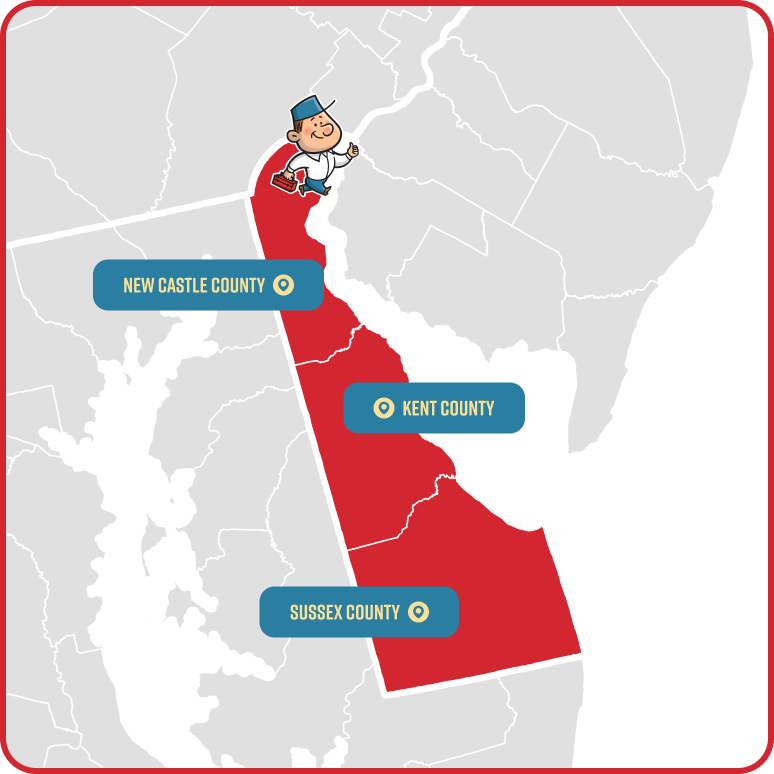
Serving Delaware Statewide With Local Technicians in Your Community
Harris Plumbing, Heating, Air, & Electric has been serving the communities in Delaware for over 40 Years. Even if you don’t see your county listed, give us a call to find out if we can make it out to your home. New Castle County
- Kent County
- Sussex County