Location:






Electric Car Charger Installation in Northern Delaware
★ Trusted by 1,954+ Customers


Charging an electric vehicle at home should be convenient, dependable, and suited to the vehicle’s electrical demands. Harris Plumbing, Heating, Air & Electric installs electric car chargers for homeowners throughout New Castle and Kent Counties.
Our licensed electricians evaluate the existing electrical system, determine whether the panel can support the added load, and install the charging equipment according to manufacturer requirements and applicable electrical codes. We serve Wilmington, Newark, Bear, Middletown, Smyrna, Dover, and surrounding Delaware communities.
For help selecting and installing a home EV charger, contact Harris Plumbing, Heating, Air & Electric.
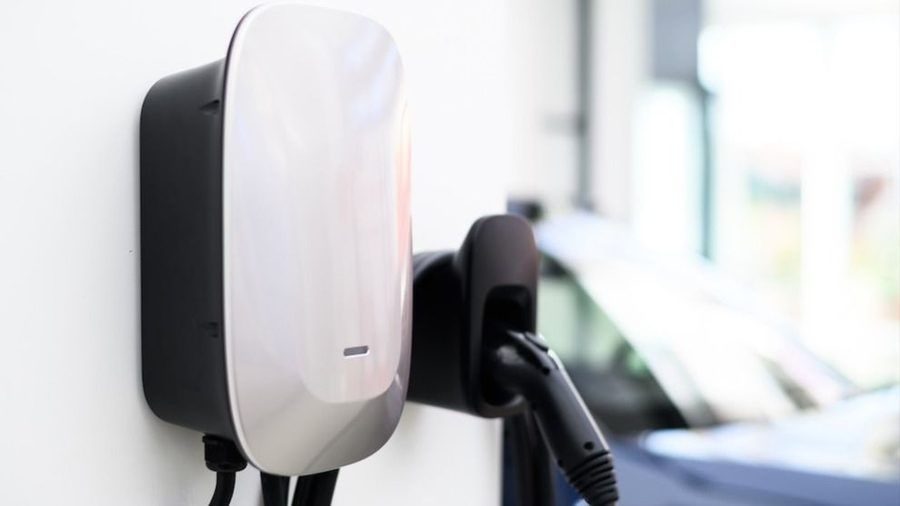
Home EV Charger Installation
A standard household outlet may provide limited charging, but many electric vehicle owners choose a dedicated Level 2 charger for faster and more predictable charging at home.
A Level 2 charging station typically requires a dedicated 240-volt circuit. The installation may involve new wiring, a correctly sized breaker, a suitable mounting location, and coordination with the home’s existing electrical panel.
Our electricians inspect the available electrical capacity before recommending an installation plan. This helps determine whether the charger can be added to the current system or whether other electrical work should be considered first.
Benefits of Installing an Electric Car Charger at Home
Home charging allows an electric vehicle to recharge while it is parked, reducing the need to rely entirely on public charging stations.
A professionally installed charger can provide:
-
Faster charging than a standard 120-volt outlet
-
A dedicated circuit for the charging equipment
-
Convenient overnight charging
-
Equipment placement that fits the driveway or garage
-
Proper breaker, wire, and grounding protection
-
Compatibility with the vehicle and charger specifications
-
A cleaner setup than repeated use of extension cords or temporary connections
The actual charging speed depends on the vehicle, charger output, available electrical capacity, and charging settings.
Level 1 and Level 2 EV Chargers
Home charging equipment is generally divided into Level 1 and Level 2 systems.
Level 1 Charging
Level 1 charging uses a standard 120-volt household outlet. It may work for plug-in hybrids, vehicles driven short distances, or drivers who have long periods available between trips.
Because Level 1 charging adds range slowly, it may not meet the needs of drivers with longer commutes or larger vehicle batteries.
A household outlet used for EV charging should be in good condition and properly grounded. Repeated charging places a continuous load on the circuit, so damaged outlets, loose connections, or overloaded circuits should be evaluated by an electrician.
Level 2 Charging
Level 2 chargers operate on a 240-volt circuit and can charge a vehicle substantially faster than a standard outlet. They are a common choice for homeowners who want to recharge overnight or restore more driving range between trips.
The circuit size and charger output must be coordinated with the vehicle, charging equipment, panel capacity, and manufacturer instructions. Installing a higher-output charger does not always result in faster charging if the vehicle cannot accept the full output.
Can My Electrical Panel Support an EV Charger?
An electric car charger can place a significant continuous demand on a home’s electrical system. Before installation, an electrician should determine whether the panel and service have enough capacity for the new load.
The evaluation may include:
-
Electrical service size
-
Existing circuit demand
-
Available breaker space
-
Panel condition
-
Main breaker rating
-
Charger amperage
-
Required conductor size
-
Distance between the panel and charger
-
Other major electrical loads in the home
Homes with electric heat, central air conditioning, electric water heaters, hot tubs, workshops, or other large appliances may have less available capacity.
An older or overcrowded panel does not automatically mean replacement is required. Our electricians assess the actual condition and load before recommending an electrical panel service.
EV Charger Installation in Garages and Driveways
The right charger location depends on where the vehicle is parked, the position of the charging port, the route back to the electrical panel, and exposure to weather.
Garage Installations
A garage can provide a protected location for charging equipment. Position the charger so the cable reaches the vehicle without creating a tripping hazard or interfering with storage, doors, or walkways.
The circuit may be routed through finished walls, unfinished framing, a basement, an attic, or another accessible section of the home.
Outdoor Installations
Outdoor chargers must be approved for exterior use and installed with equipment suited to rain, moisture, temperature changes, and physical exposure.
The installation may require weather-resistant enclosures, outdoor-rated wiring methods, secure mounting, and protection from vehicle impact. Charger placement should also account for snow, drainage, landscaping, and normal driveway use.
Hardwired and Plug-In EV Chargers
Level 2 chargers may be hardwired directly into the electrical system or connected through a compatible 240-volt receptacle.
Hardwired Chargers
A hardwired charger is permanently connected to its dedicated circuit. This can reduce the number of connection points and may be preferred for outdoor installations or higher-output equipment.
Plug-In Chargers
A plug-in charger connects to a compatible receptacle. This can make the charging unit easier to replace or relocate, but the receptacle, wiring, breaker, and plug configuration must all match the charger requirements.
Not every 240-volt receptacle is appropriate for continuous EV charging. Receptacles and connections that are undersized, damaged, loose, or not designed for repeated high-load use may overheat.
Our electricians review the charger specifications before installing the circuit or receptacle.
Electrical Work That May Be Needed for an EV Charger
Every installation is different. Some homes already have sufficient panel capacity and an accessible wiring route. Others may need additional work before the charger can operate safely.
Related work may include:
-
Installing a dedicated 240-volt circuit
-
Adding a new circuit breaker
-
Running new electrical wiring
-
Replacing a damaged or outdated panel
-
Adding an exterior disconnect when required
-
Installing a compatible receptacle
-
Correcting grounding or bonding concerns
-
Relocating equipment for safer access
-
Adding whole-home surge protection
We explain any required work before installation begins. We identify optional improvements separately from the work needed for the charger to function safely.
Signs an Existing EV Charger Needs Electrical Service
Charging problems are not always caused by the vehicle. The charger, circuit, receptacle, breaker, wiring, or electrical panel may also be involved.
Schedule electrical repair if you notice:
-
A breaker that trips during charging
-
A charger that repeatedly stops or loses power
-
A plug or receptacle that feels unusually warm
-
Buzzing, crackling, or popping sounds
-
Discoloration around the plug or outlet
-
A burning odor
-
Visible damage to the charger cable
-
Loose charging equipment
-
Charging speeds that suddenly decrease
-
Error messages related to power supply or grounding
Stop using the charger if there is evidence of overheating, sparking, smoke, melted components, or exposed wiring. Do not reset a breaker repeatedly without determining why it is tripping.
For urgent electrical hazards, request an emergency electrician.
Our Electric Car Charger Installation Process
A proper installation begins with the home’s electrical system, not only the charger itself.
1. Review the Vehicle and Charger Requirements
We identify the charger model, rated output, connection type, and manufacturer specifications. We also consider the vehicle’s charging capacity and the homeowner’s normal driving needs.
2. Inspect the Electrical System
Our electrician checks the panel, main service, breaker availability, grounding, and existing electrical demand. When appropriate, an electrical inspection can identify conditions that should be corrected before the charger is installed.
3. Select the Charger Location
We review where the vehicle is normally parked and determine a practical location for the charger. The plan considers cable reach, weather exposure, access, mounting conditions, and the route for the new circuit.
4. Explain the Installation Plan
Before work begins, we explain the proposed circuit, wiring route, equipment placement, and any related electrical work. If the installation requires panel changes or other upgrades, those recommendations are reviewed separately.
5. Install the Circuit and Charging Equipment
Our electrician installs the approved wiring, breaker, receptacle, disconnect, mounting hardware, and charging unit required for the project.
6. Test the Charger
We verify the electrical connections, energize the circuit, and confirm that the charging equipment powers on properly. The vehicle or charger application may require additional setup by the homeowner.


Book online or call to schedule a service today!
Need service? Our team is just a phone call away.Electric Car Charger Installation for Delaware Homes
Homes throughout New Castle and Kent Counties vary widely in age, electrical capacity, parking layout, and access to the main panel.
Wilmington and other established communities may include older homes with detached garages, limited panel space, or electrical systems that have been expanded over time. Installing a charger may require a longer wiring route or upgrades to equipment that was not designed for modern electrical loads.
Homes in Newark, Bear, and Middletown may have attached garages and newer panels, but available capacity still depends on the appliances and systems already using the service.
Properties in Smyrna, Dover, and less densely developed parts of Kent County may have longer driveways, detached structures, or outdoor parking areas. These conditions can affect charger placement, trenching needs, conductor size, and weather protection.
Our electricians evaluate the property as it exists rather than assuming that one installation method works for every Delaware home.
Choosing an EV Charger
The best charger is not always the model with the highest advertised output. The right choice should fit the vehicle, the home’s electrical capacity, the parking arrangement, and the homeowner’s charging schedule.
Factors to consider include:
-
Vehicle charging limit
-
Charger amperage
-
Cable length
-
Indoor or outdoor rating
-
Hardwired or plug-in design
-
Wi-Fi or app connectivity
-
Scheduled charging features
-
Utility rate preferences
-
Manufacturer warranty
-
Compatibility with future vehicles
Homeowners should confirm whether the charger is listed by a recognized testing organization and approved for the intended installation environment.
Harris installs customer-supplied charging equipment when the unit is appropriate for the property and the electrical system. We can also help homeowners understand the electrical requirements before purchasing a charger.
Why Delaware Homeowners Choose Harris
Electric vehicle charging requires more than attaching equipment to a wall. The circuit must be sized correctly, connected to a suitable electrical system, and installed for continuous use.
Harris Plumbing, Heating, Air & Electric provides:
-
EV charger installations for homes throughout New Castle and Kent Counties
-
Evaluation of panel capacity and existing electrical demand
-
Dedicated circuit and wiring installation
-
Indoor and outdoor charger placement
-
Clear explanations before work begins
-
Service for related panel, breaker, wiring, and receptacle concerns
-
Support from a full-service electrical company
Our goal is to provide a charging setup that fits the vehicle, property, and electrical system without recommending unnecessary work.
Schedule EV Charger Installation in Delaware
A home electric car charger can make daily charging faster and more convenient. The installation should be planned around the equipment requirements and the actual capacity of the home’s electrical system.
Harris Plumbing, Heating, Air & Electric installs EV chargers throughout Wilmington, Newark, Bear, Middletown, Smyrna, Dover, and surrounding communities in New Castle and Kent Counties.
Contact Harris to schedule an EV charger evaluation and installation.

$50 OFF
Any Repair
Present offer at time of service. Not available to combine with other offers.
Expires: Oct 31, 2026
Expires: Oct 31, 2026
Contact Us
Frequently Asked Questions
Our Reviews
Hear From Our Happy Customers
Great service from Harris Plumbing and Electrical on repair of my electrical panel, Jared Rodriquez and crew were very friendly knowledgeable and professional. They did an excellent job.
I also had Chris B install fire detectors. He was prompt and professional. Harris has been my go to company for my electrical work.
I also had Chris B install fire detectors. He was prompt and professional. Harris has been my go to company for my electrical work.

Dedra Stover
23 hours ago

They are the fastest service company I've ever used. My technician, Andrew, was amazing! Took his time and explained everything! Id recommend for any electrical, heating, air and plumbing. They do it all!

Mary Ann Moebius
1 day ago
Had Harris out to do an assessment on my heater and the technician Chris found a dangerous situation with my heater exchanger that could have slowly put carbon monoxide into my house. I’m grateful that Lee was able to come to the house right away and provide me selections and options. I was able to get a new HVAC system the next day and my family can safely sleep in our home. Everyone from Mathew and Chris M to Lee and the install guys, Louis, Mike and Jhar were amazing and genuinely great people I would have in my home any time.

Valerie Clay
1 day ago
He told me things I never knew about plumbing. He gave good estimates.

James Gill
2 days ago
Tyleek was extremely knowledgeable, professional, and kind. He was prompt and provided useful recommendations to ensure our units continue operating optimally. Anyone who has Tyleek come out to service their units is in good hands

Matt Steen
2 days ago
Tyleek was amazing today in helping with my furnace tune up. He provided valuable information and choices on what needs to be done and best next steps. 10/10 service.

Jasmine Mosley
2 days ago
Our technician, Michael was excellent, he was very professional, friendly, and fast. He was able to fix our AC system, and install our new thermostat, he went above and beyond.

Eathan Kempf
2 days ago
I was quite satisfied with meeting with Josh, yesterday. While I didn't care for the price, I had to expect things would be that high of a cost. Still, Josh's professional conduct while he was inspecting my tank made it that much easier to say, "yes," and go ahead with the installation request. I am not concerned, at this point, about the job itself. The heater installation, earlier this year was very nicely done and the unit is working great.

Lee Bacon
2 days ago
The technician first of all was polite, he put his booties on. And I appreciate that because I have hardwood floors original. The technician looked at the situation was able to fix the issue and showed me what can be another possible problem if not addressed.

Kevin Highsmith
2 days ago
Requested same day service in the AM and Scott was at the house by 3:00. He was very knowledgeable and professional, making sure that he understood what I wanted regarding the outdoor outlet and the line to it. He worked quickly and left the patio cleaner than when he arrived. I would highly recommend Harris for electrical work.

Rick Greenwood
3 days ago

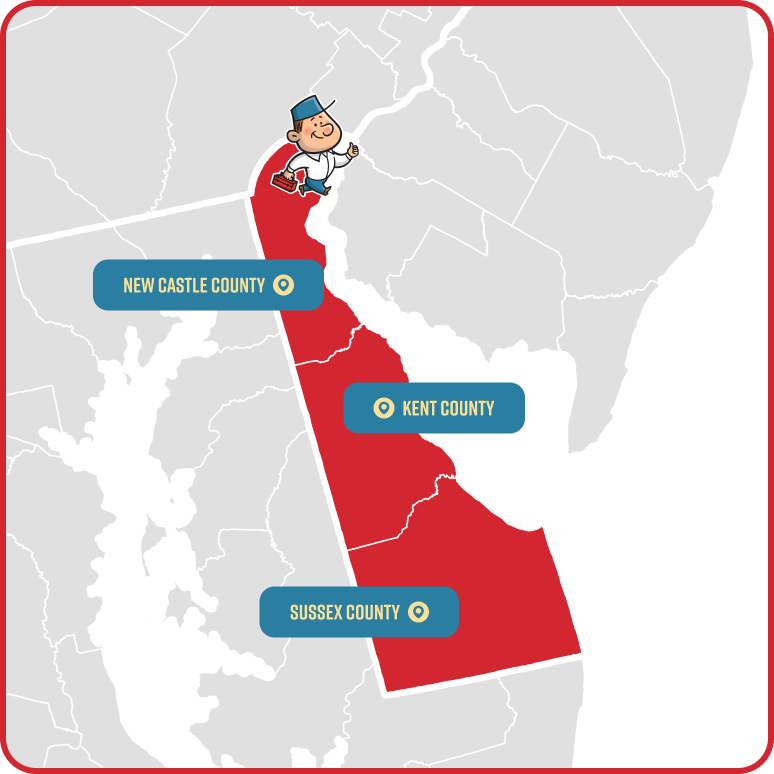
Our Service Area
Serving Delaware Statewide With Local Technicians in Your Community
Harris Plumbing, Heating, Air, & Electric has been serving the communities in Delaware for over 40 Years. Even if you don’t see your county listed, give us a call to find out if we can make it out to your home. New Castle County
- Kent County
- Sussex County