Location:





Emergency Electricians Serving Northern Delaware
★ Trusted by 1,954+ Customers

Electrical emergencies can create immediate risks for a home and everyone inside it. Sparking outlets, burning odors, partial power loss, damaged wiring, and overheated panels should not be ignored. Harris Plumbing, Heating, Air & Electric provides emergency electrical service throughout New Castle and Kent Counties.
Our electricians respond to urgent electrical problems in Wilmington, Newark, Bear, Middletown, Smyrna, Dover, and surrounding Delaware communities. We inspect the affected system, identify the source of the problem, make the area safer, and complete the necessary repair whenever conditions allow.
When an electrical problem could cause a fire, shock hazard, or loss of an essential system, contact Harris for emergency service.
What Is Considered an Electrical Emergency?
An electrical problem becomes an emergency when it creates a risk of fire, electric shock, equipment damage, or widespread loss of power inside the home.
Situations that may require an emergency electrician include:
-
Sparking outlets, switches, panels, or appliances
-
Burning odors near electrical equipment
-
Smoke coming from an outlet, fixture, or panel
-
Buzzing or crackling inside the electrical panel
-
Repeated breaker trips that cannot be explained
-
Partial power loss affecting multiple rooms
-
Hot or discolored outlets and switches
-
Exposed or damaged wiring
-
Water entering an electrical panel or outlet
-
Storm damage to electrical equipment
-
A generator connection problem during an outage
-
Loss of power to critical household equipment
-
Electrical shocks from appliances, fixtures, or plumbing components
Not every electrical issue requires emergency service. A single burned-out lightbulb, loose wall plate, or nonessential outlet that has stopped working may be scheduled normally. Smoke, heat, sparking, electrical shock, or worsening power problems should be handled promptly.
Emergency Electrical Repairs We Handle
Electrical failures can begin in a single outlet or affect the panel, wiring, lighting, appliances, or several rooms at once. Our electricians evaluate the wider system instead of assuming the visible symptom is the only problem.
Sparking Outlets and Switches
A brief spark can sometimes occur when a plug is inserted under load, but repeated, large, or noisy sparks may indicate a damaged receptacle, loose connection, worn component, or wiring problem.
Discoloration, melting, heat, and burning odors are signs that the outlet or switch should not be used. Turn off the related breaker when it is safe to do so and schedule electrical repair.
Burning Odors and Overheated Wiring
A burning smell near a wall, ceiling, outlet, appliance, or electrical panel may come from overheated wiring, damaged insulation, loose connections, or a failing component.
Electrical overheating can occur without visible flames. If the source cannot be identified safely, leave the affected area and contact emergency services when there is smoke or an active fire.
Once the immediate fire risk is under control, an electrician can inspect the wiring and equipment for damage.
Electrical Panel Emergencies
The electrical panel distributes power throughout the home. Heat, buzzing, repeated breaker trips, visible corrosion, water intrusion, and burning odors may point to a serious panel problem.
Our electricians inspect the panel, main breaker, branch circuits, and related connections. Depending on the condition, service may involve tightening or replacing damaged components, isolating a circuit, or recommending electrical panel service.
Do not remove the panel cover or touch exposed components.
Partial Power Loss
When power is lost in one room or part of the home, the cause may be a tripped breaker, a damaged circuit, a loose service connection, a failed device, or a utility problem.
If several nearby homes have also lost power, contact the electric utility. If the outage is limited to your property, an electrician may need to inspect the panel, service equipment, and affected circuits.
Partial power accompanied by dimming, flickering, buzzing, or unusually bright lights may point to a loose or unstable connection and should be addressed quickly.
Breakers That Keep Tripping
Circuit breakers are designed to interrupt power when they detect excessive current or certain electrical faults. A breaker that trips repeatedly may be responding to an overloaded circuit, a short circuit, a ground fault, a damaged appliance, a loose connection, or an internal breaker failure.
Do not keep resetting the breaker without identifying the cause. Repeated tripping means the circuit should be inspected.
Electrical Problems After a Storm
High winds, lightning, fallen branches, heavy rain, and utility fluctuations can damage electrical systems. Problems may affect the service entrance, panel, outdoor wiring, appliances, generator equipment, or surge protection.
After a storm, watch for:
-
Loose or damaged exterior electrical equipment
-
Water near the panel or meter
-
Scorched outlets or devices
-
Breakers that will not reset
-
Appliances that no longer operate correctly
-
Lights that flicker or change brightness
-
Generator faults
-
Burning odors after power is restored
Whole-home surge protection may help reduce damage from some voltage spikes, but it cannot prevent every type of storm-related failure.
Water Near Electrical Equipment
Water and electricity create a serious shock hazard. Plumbing leaks, basement flooding, roof damage, and stormwater can affect outlets, wiring, appliances, panels, and HVAC equipment.
Do not step into standing water if electrical components may be energized. Keep away from the area and contact emergency services or the utility when there is an immediate risk.
An electrician should inspect wet electrical equipment before it is returned to service.
Generator Electrical Problems
A standby or portable generator can provide essential power during an outage, but damaged wiring, improper connections, transfer switch problems, and overloaded circuits can create hazards.
Harris provides generator service for homeowners who experience electrical problems with standby power equipment. Never connect a portable generator directly to household wiring without approved transfer equipment.
What to Do During an Electrical Emergency
Protecting people is the first priority. Take only the steps that can be completed safely.
Keep Away From the Affected Area
Do not touch sparking outlets, exposed wiring, wet electrical equipment, or any device that is hot, smoking, or making unusual sounds.
Keep children and pets away from the area.
Turn Off Power When It Is Safe
If the problem is limited to one circuit and the panel is safe to approach, turn off the related breaker.
For a widespread problem, the main breaker may need to be shut off. Do not approach the panel if it is wet, damaged, smoking, sparking, or unusually hot.
Do Not Use Water on an Electrical Fire
Water can conduct electricity and increase the danger. Use a properly rated fire extinguisher only when the fire is small and you have a safe exit.
Call 911 for active fire, heavy smoke, or immediate danger.
Unplug Equipment Only When Safe
A damaged appliance may be disconnected if the plug and outlet are cool, dry, and safe to reach. Do not unplug equipment that is sparking, melted, wet, or hot.
Call for Emergency Electrical Service
Describe what happened, which rooms or devices are affected, whether there is smoke or heat, and whether power has been turned off. These details help the electrician prepare for the conditions at the property.
Our Emergency Electrical Service Process
Emergency electrical work should address the immediate hazard while identifying the condition that caused it.
1. Assess the Immediate Risk
We check for heat, smoke, damaged wiring, water exposure, unstable power, and other urgent concerns. When needed, we isolate the affected circuit or equipment.
2. Identify the Source
The visible problem may not be located beside the failure. Our electrician checks the panel, devices, wiring, connections, and connected equipment to find the source.
3. Explain the Findings
We explain what failed, why the condition is unsafe, and which repairs are appropriate. If the system has broader problems, we separate the immediate repair from additional work that may be recommended later.
4. Complete the Authorized Repair
Depending on the problem, the work may involve replacing an outlet, repairing wiring, changing a breaker, correcting a loose connection, restoring power to a circuit, or stabilizing damaged equipment.
5. Test the Electrical System
We test the repaired area and related circuits to confirm that power is operating correctly. We also look for signs that another problem could cause the failure to return.
Some situations may require follow-up electrical inspections, panel work, rewiring, or equipment replacement after the immediate hazard has been addressed.
Common Causes of Electrical Emergencies
Electrical emergencies often develop from conditions that worsen over time or appear after a sudden event.
Common causes include:
-
Loose electrical connections
-
Damaged or aging wiring
-
Overloaded circuits
-
Worn outlets and switches
-
Faulty breakers
-
Water intrusion
-
Storm and lightning damage
-
Improper electrical modifications
-
Rodent damage
-
Failed appliances
-
Overheated extension cords
-
Damaged service equipment
-
Incorrect generator connections
Homes with older wiring, crowded panels, repeated additions, or previous do-it-yourself repairs may have problems that are difficult to identify without a detailed inspection.

Book online or call to schedule a service today!
Need service? Our team is just a phone call away.Emergency Electrician Service for Delaware Homes
Homes throughout New Castle and Kent Counties vary in age, electrical design, and service capacity.
Wilmington and other established communities may contain older wiring, limited panel space, mixed electrical materials, and systems that have been modified over several decades.
Homes in Newark, Bear, and Middletown may have newer equipment, but modern electrical demands from EV chargers, HVAC systems, home offices, and large appliances can still place pressure on the panel and branch circuits.
Properties in Smyrna, Dover, and less densely developed parts of Kent County may rely on generators, well equipment, sump pumps, or longer electrical runs to detached garages and outbuildings. A power problem can affect several essential systems at once.
Coastal storms, heavy rain, lightning, winter weather, and utility interruptions can also affect electrical equipment across Delaware.
Our electricians evaluate the problem based on the home, the equipment, and the conditions at the property.
Signs You May Need an Electrical Inspection After an Emergency
A completed repair may solve the immediate problem, but some warning signs can point to broader electrical concerns.
An electrical inspection may be appropriate when:
-
Several circuits have failed recently
-
Breakers trip without a clear cause
-
Lights dim when appliances start
-
Outlets feel warm
-
The panel shows corrosion or damage
-
The home has older wiring
-
Previous repairs appear incomplete
-
An addition or renovation was wired improperly
-
Water entered walls, ceilings, or electrical equipment
-
Lightning or a utility surge damaged appliances
-
The home has frequent power fluctuations
An inspection can help distinguish an isolated failure from a problem affecting a larger part of the system.
Why Delaware Homeowners Call Harris
During an electrical emergency, homeowners need clear information and a safe repair plan.
Harris Plumbing, Heating, Air & Electric provides:
-
Emergency electrical service throughout New Castle and Kent Counties
-
Diagnosis of panel, breaker, wiring, outlet, lighting, and generator problems
-
Clear explanations before repairs begin
-
Repairs based on the condition of the electrical system
-
Service for urgent and related electrical concerns
-
Support from a full-service electrical company
Our electricians focus on making the affected area safe, restoring power when possible, and explaining any follow-up work that may be needed.
Request an Emergency Electrician in Delaware
Do not ignore sparking, smoke, burning odors, electric shocks, or rapidly worsening power problems. Harris Plumbing, Heating, Air & Electric provides emergency electrical service across Wilmington, Newark, Bear, Middletown, Smyrna, Dover, and surrounding communities in New Castle and Kent Counties.
Call Harris and describe what is happening. We will help determine the safest next step and arrange emergency electrical service for your Delaware home.

$50 OFF
Any Repair
Present offer at time of service. Not available to combine with other offers.
Expires: Oct 31, 2026
Expires: Oct 31, 2026
Contact Us
Frequently Asked Questions
Our Reviews
Hear From Our Happy Customers
Great service from Harris Plumbing and Electrical on repair of my electrical panel, Jared Rodriquez and crew were very friendly knowledgeable and professional. They did an excellent job.
I also had Chris B install fire detectors. He was prompt and professional. Harris has been my go to company for my electrical work.
I also had Chris B install fire detectors. He was prompt and professional. Harris has been my go to company for my electrical work.

Dedra Stover
23 hours ago

They are the fastest service company I've ever used. My technician, Andrew, was amazing! Took his time and explained everything! Id recommend for any electrical, heating, air and plumbing. They do it all!

Mary Ann Moebius
1 day ago
Had Harris out to do an assessment on my heater and the technician Chris found a dangerous situation with my heater exchanger that could have slowly put carbon monoxide into my house. I’m grateful that Lee was able to come to the house right away and provide me selections and options. I was able to get a new HVAC system the next day and my family can safely sleep in our home. Everyone from Mathew and Chris M to Lee and the install guys, Louis, Mike and Jhar were amazing and genuinely great people I would have in my home any time.

Valerie Clay
1 day ago
He told me things I never knew about plumbing. He gave good estimates.

James Gill
2 days ago
Tyleek was extremely knowledgeable, professional, and kind. He was prompt and provided useful recommendations to ensure our units continue operating optimally. Anyone who has Tyleek come out to service their units is in good hands

Matt Steen
2 days ago
Tyleek was amazing today in helping with my furnace tune up. He provided valuable information and choices on what needs to be done and best next steps. 10/10 service.

Jasmine Mosley
2 days ago
Our technician, Michael was excellent, he was very professional, friendly, and fast. He was able to fix our AC system, and install our new thermostat, he went above and beyond.

Eathan Kempf
2 days ago
I was quite satisfied with meeting with Josh, yesterday. While I didn't care for the price, I had to expect things would be that high of a cost. Still, Josh's professional conduct while he was inspecting my tank made it that much easier to say, "yes," and go ahead with the installation request. I am not concerned, at this point, about the job itself. The heater installation, earlier this year was very nicely done and the unit is working great.

Lee Bacon
2 days ago
The technician first of all was polite, he put his booties on. And I appreciate that because I have hardwood floors original. The technician looked at the situation was able to fix the issue and showed me what can be another possible problem if not addressed.

Kevin Highsmith
2 days ago
Requested same day service in the AM and Scott was at the house by 3:00. He was very knowledgeable and professional, making sure that he understood what I wanted regarding the outdoor outlet and the line to it. He worked quickly and left the patio cleaner than when he arrived. I would highly recommend Harris for electrical work.

Rick Greenwood
3 days ago

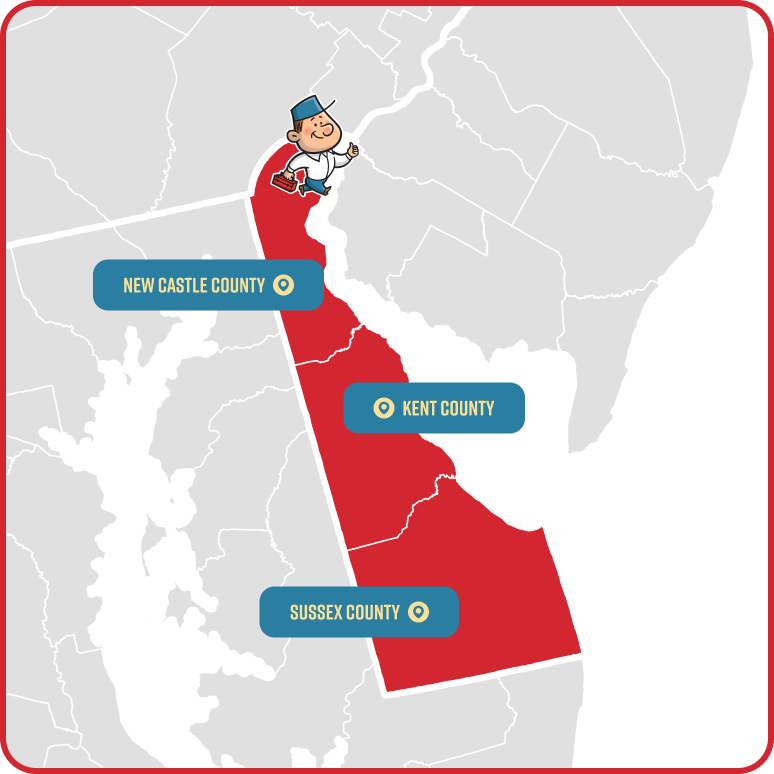
Our Service Area
Serving Delaware Statewide With Local Technicians in Your Community
Harris Plumbing, Heating, Air, & Electric has been serving the communities in Delaware for over 40 Years. Even if you don’t see your county listed, give us a call to find out if we can make it out to your home. New Castle County
- Kent County
- Sussex County