Location:






Professional Leak Detection Services in Eastern Pennsylvania
★ Trusted by 4,956+ Customers


A hidden plumbing leak can damage drywall, flooring, insulation, cabinets, foundations, and mechanical systems before the source becomes obvious. When water stains, damp odors, pressure loss, or unexplained moisture appear, accurate leak detection helps locate the problem without relying on unnecessary demolition.
Harris Plumbing, Heating, Air & Electrical provides plumbing leak detection throughout Chester, Delaware, Montgomery, and Bucks Counties. Our plumbers inspect the affected area, evaluate the plumbing system, and use appropriate diagnostic methods to identify concealed leaks and recommend the correct repair.
Whether the problem involves a pipe behind a wall, a leaking water line, a slab leak, or moisture near a plumbing fixture, Harris is ready to help.
Leak Detection for Eastern Pennsylvania Homes
Homes across Eastern Pennsylvania vary widely in age, construction, plumbing materials, and foundation design. Older properties in established parts of Delaware and Montgomery Counties may have pipes that have been repaired, expanded, or partially replaced over several decades. In Chester and Bucks Counties, larger properties, finished basements, private wells, and longer underground water lines can make leaks harder to identify.
Seasonal conditions also affect local plumbing systems. Freezing temperatures can damage pipes in exterior walls, garages, crawlspaces, and additions. Heavy rain and saturated ground can make it difficult to distinguish plumbing leaks from groundwater intrusion. Aging copper, galvanized steel, cast iron, and plastic piping may also fail in different ways.
Our plumbers consider the home’s construction, plumbing layout, water source, visible damage, and recent weather conditions before recommending where and how to investigate.
Hidden Plumbing Leak Detection
Not every plumbing leak creates a visible stream of water. Small pipe failures can release moisture behind walls, above ceilings, beneath flooring, or inside cabinets for an extended period.
Common signs of a concealed plumbing leak include:
-
Water stains on walls or ceilings
-
Damp or soft drywall
-
Warped flooring or baseboards
-
Peeling paint or bubbling finishes
-
Musty odors
-
Unexplained moisture inside cabinets
-
Sounds of running or dripping water
-
Reduced water pressure
-
A water meter that moves while fixtures are off
-
Unexpected increases in water use
-
Recurring mold or mildew in one area
We trace the symptoms back through the plumbing system to determine whether the moisture comes from a supply line, drain, fixture, appliance connection, or another source.
Water Line Leak Detection
Water supply lines remain under pressure, so even a small opening can release water continuously. Depending on the location, the leak may occur inside the home, beneath the foundation, or underground between the water source and the building.
Water line leak detection may be needed when:
-
Water pressure drops throughout the home
-
The water meter continues moving when no fixtures are running
-
Damp areas appear in the yard
-
Water collects near the foundation
-
A pump or well system runs more often than normal
-
Flooring becomes warm, damp, or discolored
-
Water can be heard inside a wall
-
Utility or electricity use increases unexpectedly
When a leak affects the main supply or a private well connection, we evaluate the surrounding plumbing system rather than assuming the problem is limited to one visible area.
Leak Detection Behind Walls and Ceilings
Leaks inside walls and ceilings can travel along framing, wiring, pipes, and other building materials before becoming visible. The stain may appear several feet away from the actual failure.
Possible sources include:
-
Cracked or separated water lines
-
Loose fixture connections
-
Leaking shower or tub plumbing
-
Failed toilet supply lines
-
Damaged appliance connections
-
Drain line leaks
-
Frozen pipe damage
-
Corroded fittings or valves
Our plumbers inspect the connected fixtures and piping before opening finished surfaces. When access is required, the goal is to narrow the search area as much as possible.
Slab and Below-Floor Leak Detection
Homes built on slabs or with plumbing routed below finished flooring can develop leaks that are difficult to see. Water may spread beneath the surface before it reaches a wall, floor edge, or nearby room.
Possible signs of a below-floor leak include:
-
Warm spots on the floor
-
Damp or discolored flooring
-
Cracked or lifting floor materials
-
Water appearing near baseboards
-
Reduced water pressure
-
Continuous water use
-
The sound of water beneath the floor
-
Moisture near the foundation
The repair approach depends on the location, pipe material, accessibility, and extent of the damage. Leak detection helps identify the affected section before repair options are discussed.
Fixture and Connection Leak Detection
Water around a sink, toilet, shower, tub, appliance, or water heater does not always reveal the exact source. A failed seal, supply line, valve, drain connection, or nearby pipe may be responsible.
We inspect:
-
Faucet and sink connections
-
Toilet supply lines and seals
-
Shower and tub plumbing
-
Dishwasher and refrigerator lines
-
Washing machine connections
-
Shutoff valves
-
Water heater piping and valves
-
Drain and trap connections
When moisture is found near the water heater, the issue may require water heater service rather than a general pipe repair.
Basement and Crawlspace Leak Detection
Basements and crawlspaces often contain exposed plumbing, mechanical equipment, drain lines, and main water connections. These areas can also be affected by condensation and groundwater, making the source of moisture less obvious.
Leak detection may involve checking:
-
Main water connections
-
Exposed supply piping
-
Drain lines
-
Shutoff valves
-
Sump pump piping
-
Water heater connections
-
Well system equipment
-
Pipes near exterior walls
If water is entering primarily during rain or snowmelt, the issue may involve the sump system rather than pressurized plumbing. In those situations, sump pump service may be the more appropriate solution.
Well System Leak Detection
Homes served by private wells may experience leaks between the well, pressure tank, pump, and indoor plumbing. A concealed well line leak can reduce water pressure, increase pump cycling, and place additional stress on the system.
Possible signs include:
-
The pump runs when no water is being used
-
Pressure drops without an open fixture
-
Wet ground appears between the well and home
-
Air enters the plumbing
-
Water flow becomes inconsistent
-
Electricity use increases
-
The pressure tank cycles more frequently
When the symptoms involve the pump, tank, controls, or well piping, well pump service may be needed in addition to leak detection.
Plumbing Leak Detection Methods
The correct diagnostic method depends on the plumbing system, location of the symptoms, and type of suspected leak.
Our plumbers may use:
-
Visual inspection
-
Water meter testing
-
Pressure testing
-
Fixture isolation
-
Moisture detection
-
Acoustic listening
-
Temperature comparison
-
Inspection of exposed piping
-
Controlled fixture testing
-
Evaluation of connected appliances and equipment
No single method is appropriate for every leak. We use the available evidence to narrow the source before recommending access or repair.
Leak Repair After Detection
Once the leak is located, we explain the cause, the affected plumbing, and the available repair options. The scope depends on the pipe material, location, accessibility, and extent of the damage.
Repairs may involve:
-
Replacing a damaged pipe section
-
Repairing a fitting or valve
-
Replacing a fixture connection
-
Correcting a leaking drain
-
Repairing an underground water line
-
Replacing a failed appliance supply line
-
Correcting pressure-related damage
-
Isolating and rerouting affected piping
Our plumbers test the repaired area before completing the service to confirm that the leak has stopped and the system is operating properly.
Emergency Leak Detection
Some leaks can be scheduled promptly, while others require immediate service. Active water flow can damage finished surfaces, electrical systems, furnishings, and structural materials within a short period.
Emergency service may be appropriate when:
-
Water is flowing through a ceiling or wall
-
A pipe has burst
-
Water is spreading across the floor
-
The main shutoff does not stop the leak
-
Plumbing near electrical equipment is leaking
-
A hidden leak is causing rapid damage
-
The home has lost usable water pressure
-
A well or main water line is releasing water continuously
When the leak cannot safely wait, request emergency plumbing service.
Our Leak Detection Process
Our process is designed to identify the source efficiently and reduce unnecessary disruption.
1. Review the Symptoms
We ask where the moisture appears, when it started, whether it changes with fixture use, and whether pressure or water usage has changed.
2. Inspect the Affected Area
Our plumber examines visible plumbing, fixtures, finishes, mechanical equipment, and surrounding rooms for evidence of water movement.
3. Test the Plumbing System
We isolate likely sources and use appropriate diagnostic methods to determine whether the leak comes from a supply line, drain, fixture, appliance, or underground connection.
4. Locate the Affected Section
We narrow the search area and explain whether access through a wall, ceiling, floor, cabinet, or exterior area may be necessary.
5. Explain the Repair Options
Our plumber reviews the source of the leak, the condition of the pipe or component, and the most practical repair approach.
6. Complete and Verify the Repair
After the authorized repair is completed, we test the plumbing and inspect the area for continued moisture or pressure loss.
Why Homeowners Choose Harris for Leak Detection
Hidden leaks require careful diagnosis. Opening the wrong wall or replacing the wrong component can add expense without correcting the problem.
Harris Plumbing, Heating, Air & Electrical provides:
-
Detection of hidden plumbing leaks
-
Water line and underground leak diagnosis
-
Wall, ceiling, slab, and below-floor leak detection
-
Fixture and appliance connection testing
-
Well system and pressure-related leak evaluation
-
Emergency service for active water damage
-
Repair recommendations based on system testing
-
Service throughout Chester, Delaware, Montgomery, and Bucks Counties
-
Support for related plumbing, water heater, sump pump, and well pump problems
We focus on identifying the source before recommending the repair.


Book online or call to schedule a service today!
Need service? Our team is just a phone call away.Schedule Leak Detection in Eastern Pennsylvania
Do not ignore unexplained water stains, damp odors, pressure loss, or moisture that keeps returning. Early leak detection can help reduce property damage and prevent a small pipe failure from becoming a larger repair.
Contact Harris Plumbing, Heating, Air & Electrical for plumbing leak detection throughout Chester, Delaware, Montgomery, and Bucks Counties.

$50 OFF
Any Repair
Present offer at time of service. Not available to combine with other offers.
Expires: Oct 31, 2026
Expires: Oct 31, 2026
Contact Us
Frequently Asked Questions
Our Reviews
Hear From Our Happy Customers
Great service from Harris Plumbing and Electrical on repair of my electrical panel, Jared Rodriquez and crew were very friendly knowledgeable and professional. They did an excellent job.
I also had Chris B install fire detectors. He was prompt and professional. Harris has been my go to company for my electrical work.
I also had Chris B install fire detectors. He was prompt and professional. Harris has been my go to company for my electrical work.

Dedra Stover
23 hours ago

They are the fastest service company I've ever used. My technician, Andrew, was amazing! Took his time and explained everything! Id recommend for any electrical, heating, air and plumbing. They do it all!

Mary Ann Moebius
1 day ago
Had Harris out to do an assessment on my heater and the technician Chris found a dangerous situation with my heater exchanger that could have slowly put carbon monoxide into my house. I’m grateful that Lee was able to come to the house right away and provide me selections and options. I was able to get a new HVAC system the next day and my family can safely sleep in our home. Everyone from Mathew and Chris M to Lee and the install guys, Louis, Mike and Jhar were amazing and genuinely great people I would have in my home any time.

Valerie Clay
1 day ago
He told me things I never knew about plumbing. He gave good estimates.

James Gill
2 days ago
Tyleek was extremely knowledgeable, professional, and kind. He was prompt and provided useful recommendations to ensure our units continue operating optimally. Anyone who has Tyleek come out to service their units is in good hands

Matt Steen
2 days ago
Tyleek was amazing today in helping with my furnace tune up. He provided valuable information and choices on what needs to be done and best next steps. 10/10 service.

Jasmine Mosley
2 days ago
Our technician, Michael was excellent, he was very professional, friendly, and fast. He was able to fix our AC system, and install our new thermostat, he went above and beyond.

Eathan Kempf
2 days ago
I was quite satisfied with meeting with Josh, yesterday. While I didn't care for the price, I had to expect things would be that high of a cost. Still, Josh's professional conduct while he was inspecting my tank made it that much easier to say, "yes," and go ahead with the installation request. I am not concerned, at this point, about the job itself. The heater installation, earlier this year was very nicely done and the unit is working great.

Lee Bacon
2 days ago
The technician first of all was polite, he put his booties on. And I appreciate that because I have hardwood floors original. The technician looked at the situation was able to fix the issue and showed me what can be another possible problem if not addressed.

Kevin Highsmith
2 days ago
Requested same day service in the AM and Scott was at the house by 3:00. He was very knowledgeable and professional, making sure that he understood what I wanted regarding the outdoor outlet and the line to it. He worked quickly and left the patio cleaner than when he arrived. I would highly recommend Harris for electrical work.

Rick Greenwood
3 days ago

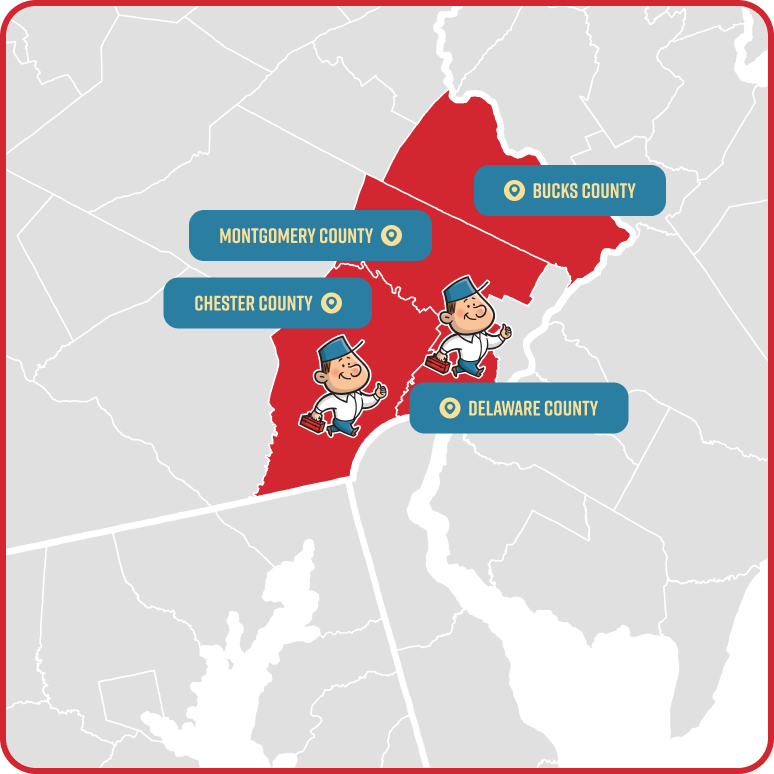
Our Service Area
Serving Eastern Pennsylvania & Local Communities Near Media and West Chester
Harris Plumbing, Heating, Air, & Electric has been serving homeowners throughout Southeastern Pennsylvania for over 40 years. Our service area includes communities across Chester, Delaware, Montgomery, and Bucks counties. Even if you don't see your city listed, give us a call to find out if we can make it out to your home. Chester County
- Delaware County
- Montgomery County
- Bucks County