Location:






Can a Whole-Home Generator Run My Sump Pump, Refrigerator, and HVAC System?
★ Trusted by 13,202+ Customers


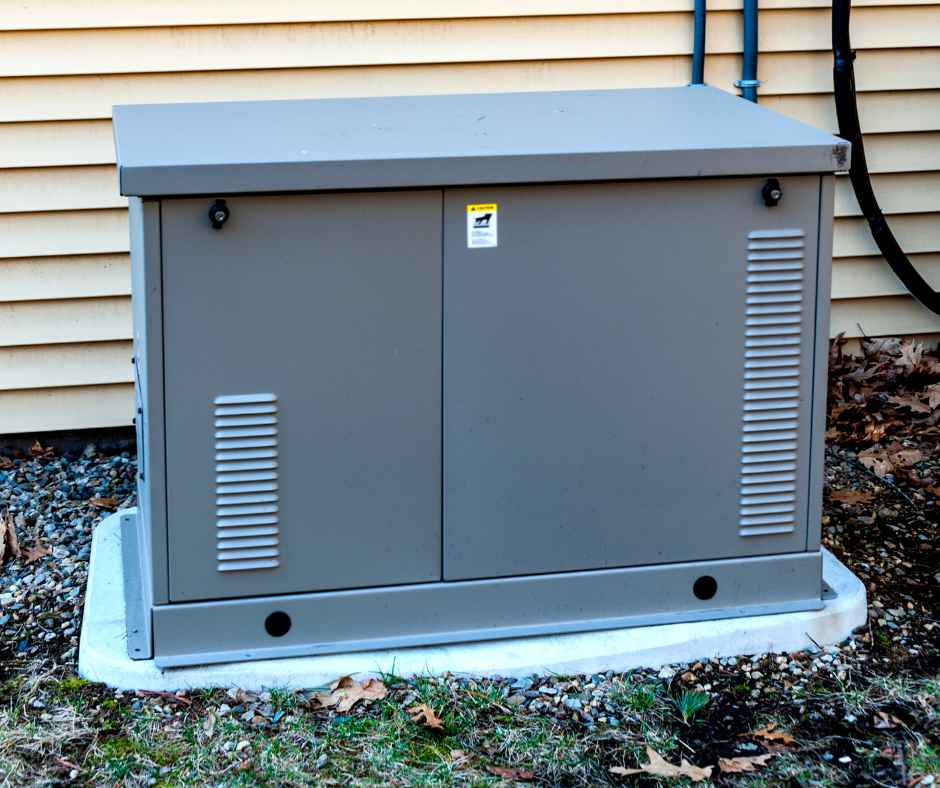
A power outage can affect much more than the lights. Your sump pump may stop removing water, refrigerated food may begin warming, and your heating or cooling system may shut down.
A properly sized whole-home generator may be able to run all three systems. However, the answer depends on the generator’s capacity, each system’s startup demand, your HVAC configuration, the fuel supply, and which other circuits need backup power.
In this guide, we will explain how generator sizing works, why startup power matters, and what to evaluate before installing a whole-home generator.
Can One Generator Run All Three Systems?
Yes, a standby generator may be able to power your sump pump, refrigerator, and HVAC system at the same time.
The generator must be large enough to support:
- The normal running load of each system
- Brief startup surges from motors and compressors
- Other essential household circuits
- Equipment that may start simultaneously
- The specific heating or cooling system installed
Not every generator marketed for residential use can handle central air conditioning, a sump pump, and multiple appliances at once.
A professional load calculation is needed to determine which generator size and electrical configuration are appropriate for your home.
Why Generator Size Matters
Every generator has a maximum electrical output. If the home demands more power than the generator can provide, the system may overload, shut down, or prevent larger equipment from starting.
Generator sizing should account for both current and future needs.
Homeowners may want backup power for:
- Sump pumps
- Refrigerators and freezers
- Heating and cooling equipment
- Well pumps
- Medical devices
- Lighting
- Internet equipment
- Garage door openers
- Water heaters
- Cooking appliances
Backing up every circuit may require a larger generator than powering only selected essentials.
The right solution balances capacity, fuel use, installation requirements, and household priorities.
Running Power Versus Startup Power
Appliances with motors or compressors often require more electricity when they first start than they use while operating.
This temporary surge is known as startup or inrush demand.
Equipment with startup demands may include:
- Sump pumps
- Refrigerators
- Freezers
- Air conditioners
- Heat pumps
- Furnace blowers
- Well pumps
A generator may appear large enough based on running power but still fail to start several motors at once.
This is why simply adding the normal operating wattage of each appliance does not provide a complete sizing answer.
How Much Power Does a Sump Pump Need?
A sump pump’s electrical demand varies according to its motor size, pump design, and operating conditions.
The generator must support the pump’s startup surge as well as its normal running load.
Frequent cycling can also matter. During heavy rain, the pump may start repeatedly as water enters the basin. That repeated demand must be considered along with other household equipment.
A generator assessment should identify:
- Pump voltage
- Motor size
- Nameplate electrical requirements
- Startup demand
- Circuit size
- How frequently the pump may cycle
The condition of the pump and discharge system should also be checked. Backup power cannot correct a clogged discharge line, stuck float, or failing pump motor.
Can a Generator Run a Refrigerator?
A refrigerator usually requires less power than central HVAC equipment, but its compressor still creates a brief startup surge.
One refrigerator may represent a manageable load. Multiple refrigerators, chest freezers, wine coolers, or garage appliances can increase the total demand.
The generator plan should also account for how often these appliances cycle.
Refrigeration is usually treated as a high-priority load because prolonged outages can lead to food loss. It is often included in both whole-panel and essential-circuit generator designs.
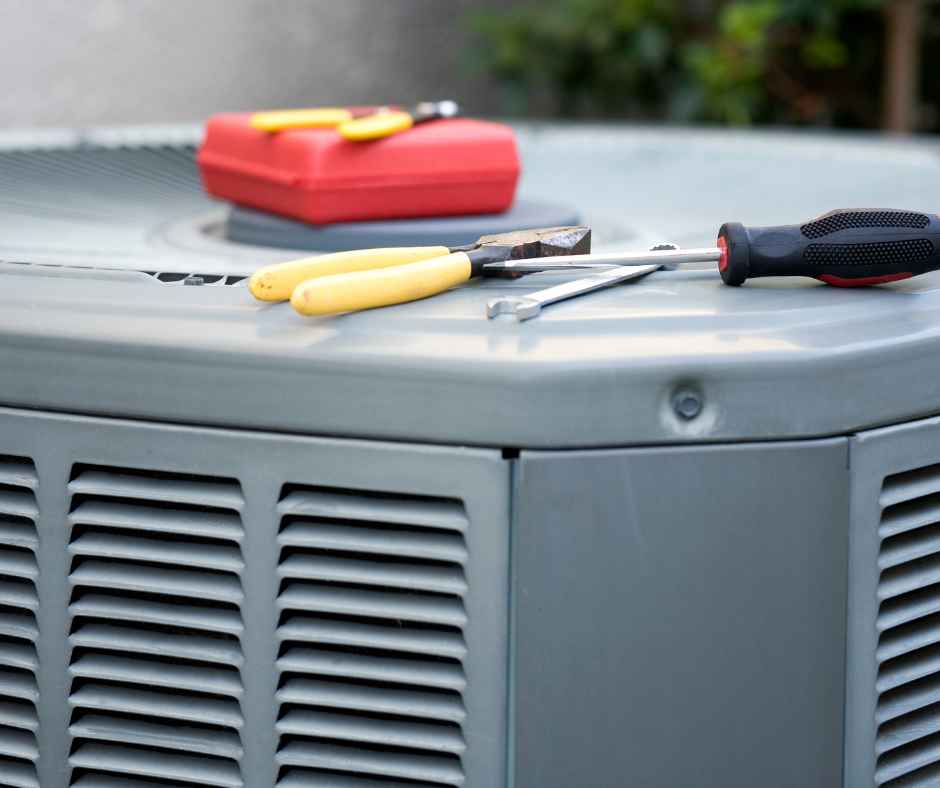
Can a Generator Run Central Air Conditioning?
Central air conditioning is often one of the largest electrical loads in a home.
The system may include:
- An outdoor condenser
- A compressor
- A condenser fan
- An indoor air handler or furnace blower
- Electrical controls
- Condensate equipment
The compressor can require a substantial amount of power at startup.
Whether the generator can support central AC depends on:
- Equipment size
- Voltage
- Startup demand
- Generator capacity
- Other connected loads
- Transfer and load-management equipment
Some systems may be compatible with approved soft-start equipment that reduces startup demand. This possibility should be evaluated by qualified HVAC and electrical professionals.
What About a Heat Pump?
A heat pump can provide both heating and cooling, but its electrical requirements may be more complex than those of a traditional AC system.
The outdoor heat pump and indoor air handler both require power. Some systems also include electric auxiliary heat strips.
Those heat strips can create a much larger electrical load than the heat pump compressor alone.
The generator assessment should determine:
- Whether auxiliary heat is installed
- How much electric backup heat may operate
- Whether heat strips will be supported
- Whether load management is needed
- Whether another backup heat source is available
A generator that can run the heat pump in cooling mode may not necessarily support full electric auxiliary heat during winter.
Can a Generator Run a Gas Furnace?
A gas furnace still needs electricity.
Electrical power is used for:
- The blower motor
- Ignition
- Controls
- Safety switches
- Venting equipment
- The thermostat
A gas furnace often requires less electrical capacity than central air conditioning or electric resistance heating. However, its blower still has startup demand.
The furnace circuit must be included in the load calculation and connected through approved transfer equipment.
What if the Home Uses Electric Heat?
Electric resistance heating can require significant generator capacity.
Examples include:
- Electric furnaces
- Heat strips
- Baseboard heating
- Electric boilers
- Some electric water heaters
Running large electric heating loads may require a much larger generator than powering a gas furnace blower.
In some homes, the generator may be configured to support selected heating equipment while temporarily limiting other high-demand circuits.
The appropriate approach depends on the home’s electrical system and heating design.
How Is a Generator Load Calculation Performed?
A load calculation identifies which circuits need backup power and estimates their combined electrical demand.
The evaluation may include:
- Running loads
- Startup surges
- HVAC equipment specifications
- Sump pump requirements
- Refrigerators and freezers
- Water pumps
- Electrical heating
- Other large appliances
- Future equipment plans
The contractor should also consider which devices may operate at the same time.
The purpose is not simply to select the largest available generator. An oversized generator may cost more, use more fuel, and require a larger fuel supply than the home needs.
Should Every Circuit Be Backed Up?
A whole-home generator can be configured in different ways.
Some installations support most or all household circuits. Others prioritize selected essential loads.
Essential circuits may include:
- Sump pump
- Refrigerator and freezer
- Heating equipment
- Selected lighting
- Medical devices
- Internet equipment
- Well pump
- Garage door opener
Limiting backup power to selected circuits may reduce generator size and installation cost.
A whole-panel system offers more flexibility, but load-management controls may still be needed to prevent too many large appliances from operating simultaneously.
How Load Management Can Help
Load-management equipment can temporarily delay or disconnect lower-priority circuits when electrical demand becomes too high.
For example, the controls may prioritize:
- Sump pump
- Refrigerator
- Heating or cooling
- Secondary appliances
If several large loads attempt to start at once, the system can temporarily pause a lower-priority circuit.
Once electrical capacity becomes available, that circuit can operate again.
Load management can help a generator support more equipment without requiring every major appliance to run simultaneously.
Why Transfer Equipment Is Important
A standby generator must be safely separated from utility power.
An automatic transfer switch detects an outage, disconnects the home from the utility, and connects approved circuits to the generator.
When utility power returns, the transfer switch reverses the process.
Proper transfer equipment helps prevent electricity from feeding back into utility lines, which can endanger workers and damage equipment.
Generator connections should never be improvised. Installation should be completed by qualified professionals and follow applicable electrical, fuel, permit, and inspection requirements.
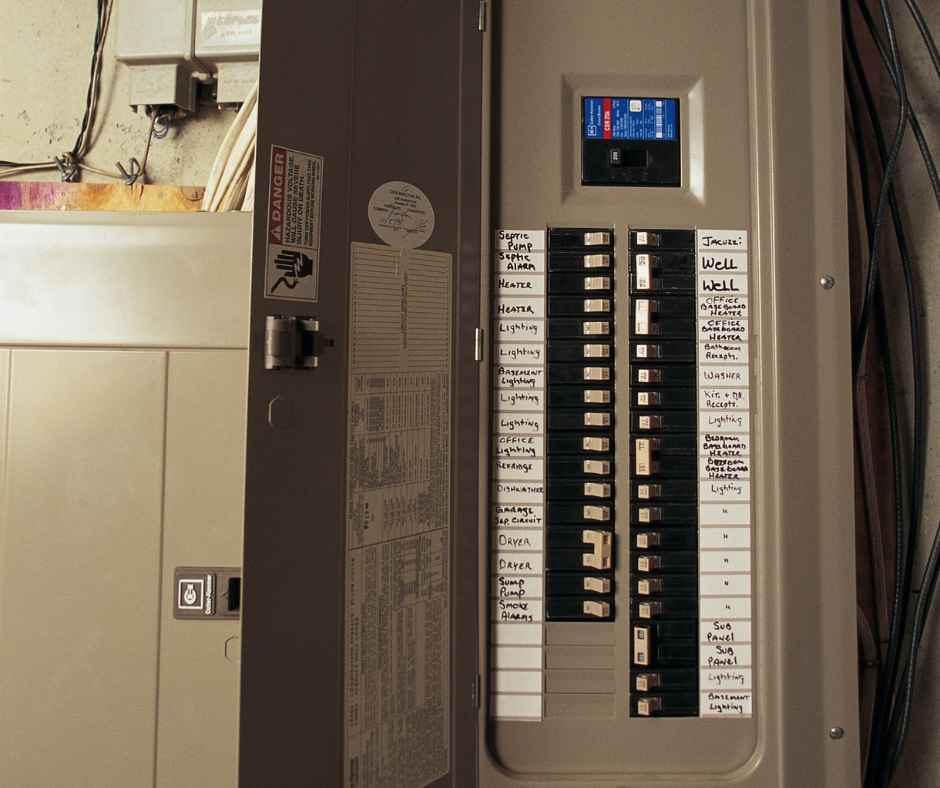
Could the Electrical Panel Need Work?
Generator installation may reveal problems with the existing electrical panel.
The evaluation may identify:
- Limited breaker space
- Aging or damaged equipment
- Corrosion
- Loose connections
- Poor circuit labeling
- Improper modifications
- Overheating
- Incompatible panel components
A panel may need repair, circuit reorganization, or replacement before the generator can be connected safely.
A subpanel may also be used when only selected essential circuits will receive backup power.
How Fuel Supply Affects Generator Performance
Standby generators commonly operate on natural gas or propane.
The fuel system must be able to supply the generator while supporting other fuel-burning equipment, such as:
- Furnaces
- Water heaters
- Ranges
- Fireplaces
- Pool heaters
A natural gas line, meter, or regulator may need evaluation or modification.
For propane systems, tank size affects how long the generator can run during an extended outage. Fuel availability and delivery planning should be considered before installation.
An adequately sized electrical generator cannot provide its rated output if the fuel supply is insufficient.
Does a Generator Replace a Backup Sump Pump?
No. A generator restores electrical power, but it does not protect against every sump pump failure.
The primary pump may still stop because of:
- A failed motor
- A stuck float
- A clogged intake
- A blocked discharge line
- A failed check valve
- Debris in the basin
- Insufficient pumping capacity
A separate battery-powered or water-powered backup pump can provide another layer of protection.
Homes with finished basements, frequent pump activity, or a history of water intrusion may benefit from both generator support and a secondary sump pump.
Keep Your Essential Systems Running During an Outage
A whole-home generator may be able to power your sump pump, refrigerator, and HVAC system, but only when the generator, electrical system, and fuel supply are properly sized.
Startup demand, auxiliary heating, simultaneous appliance use, and panel condition must all be considered. A generator should also be combined with regular sump pump and HVAC maintenance because backup power cannot correct a mechanical failure.
Harris Plumbing, Heating, Air & Electric can evaluate your home’s electrical loads, HVAC equipment, sump pump, panel, and fuel needs. If you want dependable backup power for your essential systems, contact us today to schedule a whole-home generator assessment.