Location:






Signs Your Older Delaware Home Needs an Electrical Panel Upgrade for Safety
★ Trusted by 13,202+ Customers


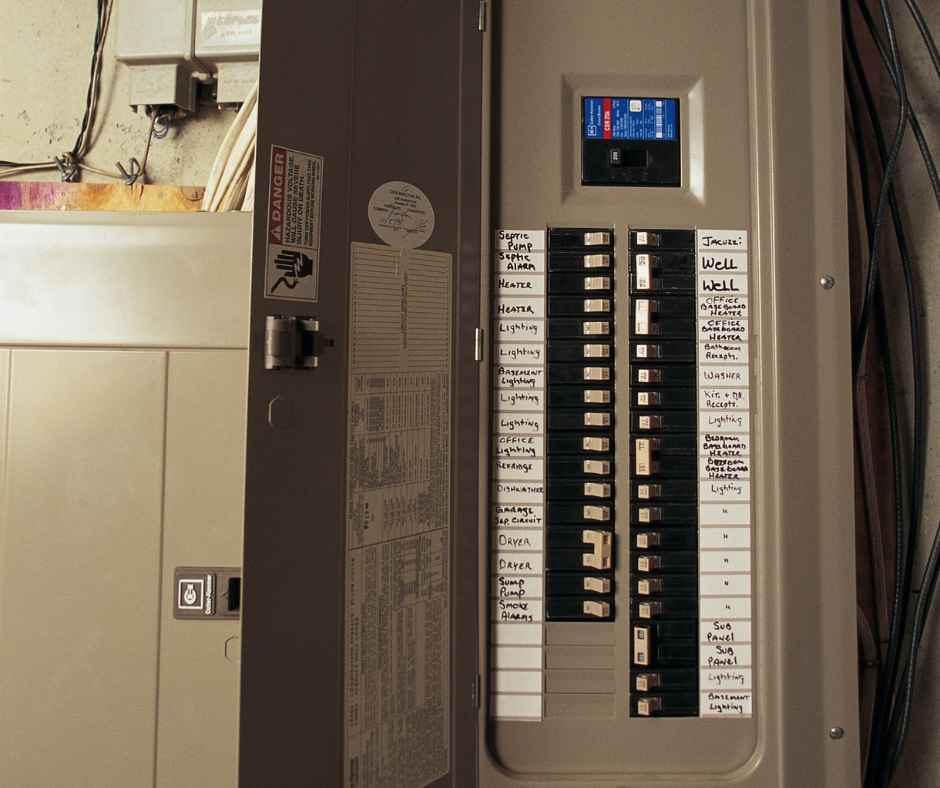
An older electrical panel does not automatically need to be replaced, but certain warning signs should not be ignored. Frequent breaker trips, flickering lights, unusual warmth, buzzing, burning smells, corrosion, and difficulty supporting modern electrical loads can all indicate that the panel or electrical service needs professional evaluation.
In this guide, you will learn which signs can point to an aging or overloaded electrical panel, when a repair may still be reasonable, and when an upgrade may be the safer long-term choice for your Delaware home.
What Are the Signs Your Electrical Panel May Need an Upgrade?
An electrical panel may need an upgrade when it can no longer distribute power safely or reliably for the home’s current electrical demand.
Common warning signs include:
- Breakers that trip frequently
- Lights that flicker or dim
- Buzzing, crackling, or sizzling near the panel
- Burning or hot electrical odors
- Visible corrosion or discoloration
- Unusual warmth around the panel
- Limited capacity for new electrical loads
- An older fuse box or outdated panel
- Repeated electrical problems throughout the home
One symptom does not always mean the panel itself is failing. A faulty appliance, branch circuit, loose connection, or other electrical issue can create similar problems.
The important step is identifying the cause rather than assuming the panel needs replacement based on age alone.
Why Do Frequently Tripping Breakers Matter?
Circuit breakers are designed to shut off power when electrical conditions become unsafe.
A breaker may trip because a circuit is overloaded, an appliance has a fault, or there is a short circuit or wiring problem. One occasional trip does not necessarily point to a major panel issue.
Repeated breaker trips are more concerning.
If you regularly reset the same breaker, or several breakers are beginning to trip under normal household use, the system may be struggling with electrical demand or another fault may be developing.
Possible causes include:
- An overloaded circuit
- A damaged appliance
- Faulty wiring
- A failing breaker
- A short circuit
- Insufficient electrical capacity
Do not solve repeated trips by simply replacing a breaker with a larger one. Breaker size must match the circuit wiring and electrical design.
A frequently tripping breaker is doing its job. The reason it keeps tripping is what needs to be diagnosed.
Are Heat, Buzzing, or Burning Smells From the Panel Dangerous?
These symptoms deserve prompt attention. An electrical panel should not regularly produce strong buzzing, crackling, burning odors, or unusual heat. These conditions can be associated with loose connections, overheating components, damaged breakers, arcing, or other electrical faults.
Watch for:
- A burning or hot-plastic smell
- Buzzing or sizzling sounds
- Crackling
- Visible discoloration
- Melted components
- Scorch marks
- Unusual warmth around the panel
- Sparking or arcing
Do not remove the panel cover or attempt to tighten internal electrical connections yourself. Energized equipment inside the panel can remain dangerous even when individual breakers are turned off.
If there is active sparking, smoke, or a strong burning odor, treat the situation as urgent and contact a qualified electrician.
Can Flickering or Dimming Lights Point to an Electrical Capacity Problem?
Sometimes. A single flickering light may have a loose bulb, fixture problem, or local wiring issue. Flickering throughout several rooms is more significant, especially when it happens as large appliances turn on.
You might notice lights dim when:
- The air conditioner starts
- A large kitchen appliance operates
- An electric dryer turns on
- Another high-demand appliance begins running
This does not automatically mean the panel needs replacement. Voltage fluctuations, utility issues, loose connections, or branch-circuit problems can also cause flickering.
The concern increases when dimming is frequent, affects several areas of the home, or appears along with breaker trips, overheating, or other electrical symptoms.
Older homes with expanding electrical demand deserve particular attention when these signs begin appearing together.
Does the Age of Your Delaware Home Mean the Panel Should Be Replaced?
No. The age of the house alone is not enough to justify replacing an electrical panel.
However, older homes were often built for very different electrical demands than households have today.
A home that originally needed electricity for basic lighting, outlets, and a few appliances may now support central air conditioning, multiple televisions, computers, kitchen appliances, home offices, electric heating equipment, and other high-demand devices.
An older electrical system should be evaluated based on:
- Panel condition
- Service capacity
- Wiring condition
- Breaker compatibility
- Signs of overheating
- Current household demand
- Planned future electrical loads
A panel that has remained in service for decades may still function, but continued operation does not automatically mean it is adequate for modern use.
Age is a reason to inspect the system, not an automatic replacement deadline.
Can an Older Panel Handle Today’s Electrical Demand?
It depends on the service capacity and how much electrical equipment the home uses.
Modern households can place substantially more demand on an electrical system than older homes were originally designed to support.
Common additions include:
- Central air conditioning
- Heat pumps
- Electric water heaters
- Electric ranges
- Larger kitchen appliances
- Hot tubs
- EV chargers
- Home workshops
- Finished basements
- Home additions
- Standby generators
Adding one major appliance does not automatically mean the panel needs replacement. The important question is whether the existing service has enough available capacity.
An empty breaker space does not necessarily mean there is enough electrical capacity for another major load.
A licensed electrician can evaluate the service rating, existing load, panel condition, and planned equipment before recommending an upgrade.
What If Your Home Still Has a Fuse Box or Older Panel Equipment?
Older electrical equipment deserves careful evaluation, but age alone should not be treated as proof that the system is unsafe.
Some older Delaware homes may still have fuse boxes or aging breaker panels that were installed decades ago. These systems may have lower service capacity or may no longer fit the way the home is used today.
An electrician should inspect:
- Overall panel or fuse-box condition
- Signs of overheating
- Corrosion
- Correct fuse or breaker sizing
- Available capacity
- Wiring condition
- Compatibility of replacement components
- Evidence of previous modifications
Fuse boxes require particular attention to correct fuse sizing. Installing the wrong fuse can allow more current to flow than the wiring was designed to handle.
Older breaker panels may also present challenges if compatible replacement components are difficult to obtain or if the equipment has deteriorated.
The correct recommendation should come from the system’s actual condition and capacity.
When Does Adding New Electrical Equipment Require a Panel Evaluation?
Any major new electrical load is a good reason to confirm that the existing service can support it.
Examples include:
- EV charger installation
- New central HVAC equipment
- Heat pump installation
- Electric range
- Electric water heater
- Hot tub
- Major kitchen remodel
- Home addition
- Workshop equipment
- Standby generator
An electrician may calculate the home’s current electrical load and compare it with the service capacity.
If there is enough capacity, the project may simply require a new circuit. If the service is already heavily loaded, a panel or service upgrade may need to be considered.
This is especially important in older homes where years of remodeling may have added circuits and appliances without a comprehensive review of the overall electrical system.
Planning ahead is much better than discovering capacity problems halfway through another electrical project.
What Should an Electrician Check Before Recommending a Panel Upgrade?
A panel replacement recommendation should be based on more than the age printed on the equipment.
A professional evaluation may include:
- Main service rating
- Panel condition
- Breaker condition
- Evidence of heat damage
- Corrosion
- Loose or damaged connections
- Existing household load
- Available capacity
- Grounding and bonding
- Wiring entering the panel
- Signs of previous modifications
- Planned future electrical loads
The electrician should also determine whether the problem is actually inside the panel or somewhere else in the electrical system.
For example, flickering lights caused by a loose branch-circuit connection would not necessarily be solved by replacing the entire panel.
A good recommendation should explain what is wrong, why it matters, and whether repair or replacement is the more appropriate solution.
Can the Panel Be Repaired, or Does It Need to Be Replaced?
Not every electrical panel problem requires a complete upgrade.
Repair may be reasonable when the issue is isolated, the equipment remains in good condition, and the system has enough capacity for the home.
Examples might include a failed compatible breaker or another localized component issue.
Replacement deserves stronger consideration when:
- The panel has significant corrosion
- Overheating damage is present
- Multiple components are deteriorating
- Replacement parts are not appropriate or readily available
- The home needs more electrical capacity
- Major new loads cannot be supported
- The existing equipment no longer meets household needs
The decision should also account for future plans.
If you are already considering an EV charger, heat pump, addition, or other major electrical upgrade, replacing an inadequate panel now may make more sense than completing repeated smaller modifications.
When Should You Call an Electrician Right Away?
Some electrical symptoms should not wait for a routine inspection.
Contact a qualified electrician promptly if you notice:
- Burning odors
- Visible sparks
- Buzzing or sizzling from the panel
- Scorch marks
- Unusual heat
- Electrical shocks or tingling
- Repeated breaker trips
- Signs of melted electrical components
If there is active smoke or fire, leave the area and contact emergency services.
Do not open the panel or attempt internal repairs yourself. Electrical service equipment contains components that can present serious shock and arc hazards.
Even less dramatic symptoms should be evaluated if they are becoming more frequent or affecting several areas of the home.
Do Not Wait for an Aging Panel to Become a Safety Problem
An older Delaware home does not automatically need a new electrical panel, but warning signs should not be dismissed simply because the system has worked for years. Frequent breaker trips, flickering lights, overheating, buzzing, corrosion, and difficulty supporting modern electrical loads all deserve professional evaluation.
The right solution may be a repair, capacity improvement, or full panel upgrade depending on the condition of the equipment and the needs of the home. An inspection can identify whether the issue is isolated or whether the electrical service is no longer appropriate for current demand.
Harris Plumbing, Heating, Air & Electric helps Delaware homeowners evaluate aging electrical panels, diagnose safety and capacity concerns, and determine when repair or replacement makes sense. If your panel is showing warning signs or you are planning to add major electrical equipment, contact us today to schedule a professional electrical evaluation.