Location:





Furnace Repair or Replacement in New Jersey: Making the Right Decision Before Winter
★ Trusted by 13,193+ Customers


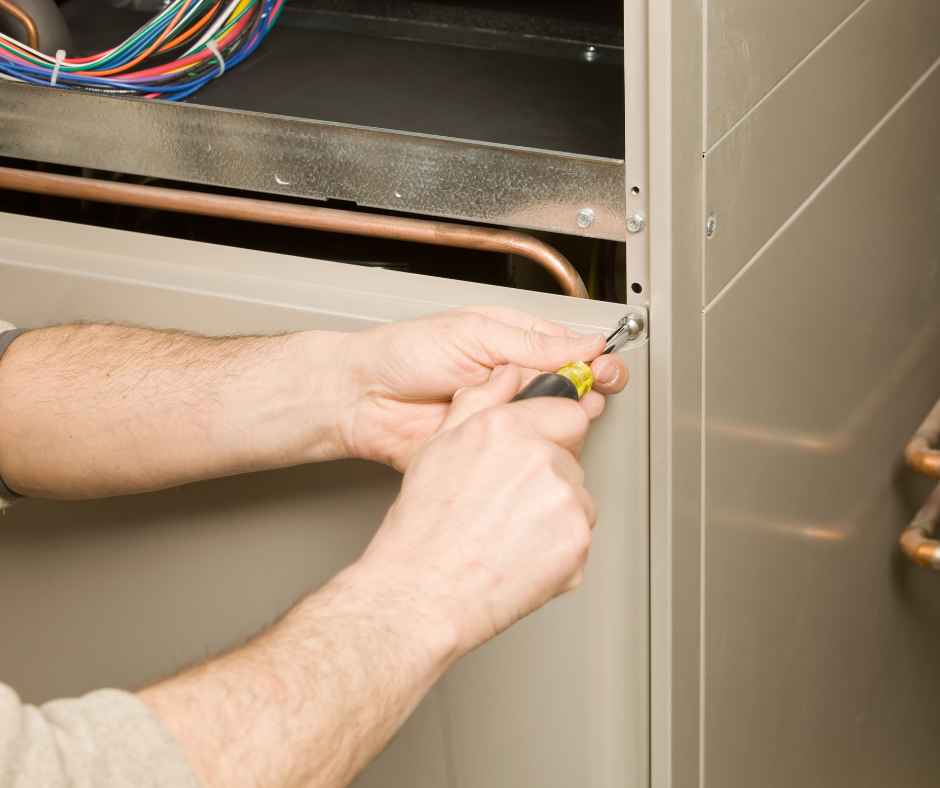
When temperatures drop across New Jersey, a reliable furnace becomes essential to keep your home comfortable. From freezing nights to extended winter weather, your heating system needs to run efficiently and consistently. However, if your furnace is aging, making unusual noises, or struggling to heat your home, you may be wondering whether repairs are enough or if it’s time to replace it.
Deciding between furnace repair and replacement isn’t always straightforward. Some heating problems can be fixed with relatively simple repairs, while others may signal that your system is nearing the end of its useful life.
In this guide, we’ll explain the warning signs of furnace problems, when repairs make sense, and how New Jersey homeowners can determine whether replacing their heating system is the better investment before winter arrives.
What Are the Warning Signs Your Furnace Needs Attention?
Furnaces often show signs of trouble before they completely break down. Recognizing these symptoms early can help homeowners address developing problems before colder temperatures increase heating demands.
Common signs that your furnace needs professional attention include:
- Uneven heating: Some rooms remain noticeably colder than others, even when the thermostat is set to a comfortable temperature.
- Unusual noises: Banging, rattling, squealing, or grinding sounds may indicate loose components, mechanical wear, or other problems.
- Short cycling: The furnace repeatedly turns on and off without completing normal heating cycles, which may indicate airflow restrictions or equipment problems.
- Weak airflow: Reduced airflow from vents can make it difficult to distribute heated air throughout your home.
- Difficulty maintaining temperature: Your furnace runs frequently but struggles to reach the thermostat setting you want.
- Increasing energy bills: Unexpected increases in heating expenses may indicate declining performance, although outdoor temperatures and energy rates also influence costs.
- Frequent repairs: Repeated service calls may suggest that multiple components are deteriorating.
These warning signs don’t automatically mean your furnace needs replacement. Some problems result from dirty filters, thermostat malfunctions, or isolated mechanical failures.
However, if several symptoms occur together or continue after repairs, a professional furnace inspection can help determine whether a larger problem exists.
How Long Does a Furnace Typically Last?
Many residential furnaces have an expected service life of approximately 15 to 20 years. However, actual lifespan depends on equipment quality, installation practices, maintenance history, and operating conditions.
A well-maintained furnace may provide reliable heating well beyond this range. Another system may develop significant problems earlier because of mechanical wear, inadequate maintenance, or installation issues.
Several factors influence how long a furnace remains dependable:
- Maintenance history: Regular professional service can help identify developing problems and support reliable operation.
- Previous repairs: Frequent component failures may indicate that the system is becoming less dependable.
- Heating demands: Extended operation during New Jersey winters places ongoing demands on heating equipment.
- Equipment condition: Corrosion, mechanical deterioration, and other signs of wear can affect remaining service life.
- Installation quality: Proper sizing and installation help equipment operate as intended.
Age alone doesn’t determine whether replacement is necessary. A 15-year-old furnace may still have useful service life remaining, while a newer system with significant mechanical problems may need more extensive attention.
When Is Furnace Repair the Better Choice?
Furnace repair is often the most practical option when equipment is relatively new, generally reliable, and experiencing an isolated problem. Replacing an entire heating system may not be necessary when a qualified technician can restore normal operation through a reasonable repair.
Repair may make more sense when:
- The furnace is relatively new: Equipment with substantial expected service life remaining may benefit from repairs rather than premature replacement.
- The problem involves one component: Issues with thermostats, sensors, or other repairable parts may not justify replacing the entire furnace.
- The system has been reliable: A furnace with few previous problems may continue operating effectively after repairs.
- Repair costs are manageable: A straightforward repair may be more economical than investing in new equipment.
- Warranty coverage applies: Existing equipment warranties may reduce certain repair expenses.
- Heating performance remains satisfactory: If the furnace generally maintains comfortable temperatures, correcting an isolated issue may be sufficient.
A professional diagnosis can help determine whether repairs will address the underlying problem. Homeowners should also consider whether the recommended repair will provide lasting improvement or whether additional component failures are becoming increasingly common.
When Should You Consider Furnace Replacement?
While repairs can extend a furnace’s useful life, continued service may become less practical as equipment ages and reliability declines. For New Jersey homeowners, replacing an aging furnace before winter may be a chance to address recurring problems and explore more efficient heating equipment.
Replacement may be worth considering when:
- The furnace is nearing the end of its expected lifespan: Older equipment may have less remaining service life, especially if other problems are present.
- Breakdowns happen frequently: Repeated service calls can increase maintenance expenses and create uncertainty during colder weather.
- Major components require expensive repairs: Significant repair costs may be difficult to justify when the furnace already shows signs of deterioration.
- Heating performance continues to decline: Persistent comfort problems despite proper maintenance may indicate the equipment no longer meets household needs.
- Multiple components show wear: Widespread deterioration can increase the likelihood of additional repairs.
- Efficiency is substantially lower than newer options: Replacing older, less efficient equipment may reduce fuel consumption under appropriate conditions.
- Serious safety concerns exist: Certain combustion, venting, or heat exchanger problems may require major repairs or equipment replacement.
For gas-burning furnaces, safety should always come first. Homeowners should keep carbon monoxide alarms working and schedule professional service when combustion-related problems are suspected.
If a carbon monoxide alarm sounds or you suspect a gas leak, leave the building immediately and contact emergency services or your gas utility from a safe location.
How Do Repair Costs and Energy Efficiency Affect Your Decision?
The financial side of furnace repair versus replacement involves more than comparing a single repair cost with the cost of new equipment. Homeowners should consider the furnace’s remaining service life, past repair costs, and potential operating costs.
Important financial considerations include:
- Current repair costs: Compare the quoted repair cost with the furnace’s overall condition and age.
- Previous repair expenses: Multiple service calls can add up, even when individual repairs seem manageable.
- Potential future breakdowns: Aging equipment with widespread component wear may require additional repairs.
- Replacement installation costs: New equipment expenses depend on system capacity, efficiency, installation requirements, and existing infrastructure.
- Energy efficiency: A more efficient furnace may reduce fuel consumption compared with substantially less efficient equipment.
- Warranty coverage: Existing warranties may affect repair costs, while replacement equipment typically includes new warranty terms.
For fuel-burning furnaces, efficiency is measured using Annual Fuel Utilization Efficiency, or AFUE. This rating indicates how much fuel energy becomes usable heat over a typical heating season.
For example, an 80% AFUE furnace converts approximately 80% of its fuel energy into useful heat, while a 95% AFUE model converts approximately 95%.
Higher AFUE ratings generally indicate improved fuel-use efficiency. However, actual heating expenses depend on equipment sizing, installation quality, local energy prices, and household heating demands.
Why Is Fall a Good Time to Evaluate Your Furnace?
Scheduling a furnace inspection before winter lets you catch developing problems before heating demand increases. New Jersey winters can bring extended freezing temperatures, making reliable heating especially important.
A preseason evaluation can help identify mechanical wear, airflow restrictions, maintenance needs, and potential safety concerns. Addressing these issues early may reduce the likelihood of unexpected heating interruptions.
If replacement is recommended, evaluating the system before winter also provides more time to compare equipment options and discuss installation requirements.
Preventive service cannot guarantee that a furnace won’t experience future problems. However, identifying existing concerns before colder weather arrives can help homeowners make more informed decisions.
What Happens During a Professional Furnace Evaluation?
A professional furnace evaluation does more than confirm the system turns on and produces heat. A qualified HVAC technician should assess equipment condition, operating performance, and potential safety concerns.
Depending on the heating system, an evaluation may include:
- Reviewing equipment age and service history: Previous repairs and maintenance records provide context about overall reliability.
- Checking thermostat operation: Proper controls help maintain appropriate heating cycles and indoor temperatures.
- Inspecting airflow: Filters, blower components, and ductwork conditions can influence heating performance.
- Evaluating mechanical components: Check motors, electrical connections, and other operating parts for signs of wear.
- Assessing combustion and venting: Gas-burning furnaces require appropriate combustion conditions and safe exhaust venting.
- Reviewing safety controls: Protective components should function as required by the equipment.
- Identifying ductwork concerns: Leaks or airflow restrictions may contribute to uneven heating.
- Discussing repair and replacement options: Recommendations should reflect equipment condition, safety, reliability, and expected costs.
If replacement is recommended, proper equipment sizing is also essential. A professional heating load calculation helps determine the capacity needed based on your home’s layout, insulation, windows, and other characteristics.
Installing a furnace with the same capacity as the previous system isn’t always appropriate, particularly if the home has undergone renovations or energy-efficiency improvements.
Schedule Furnace Service With Harris Plumbing, Heating, Air & Electrical
Deciding whether to repair or replace your furnace involves more than considering its age. Equipment condition, repair frequency, heating performance, safety, and long-term costs all play a role in determining the best approach for your New Jersey home.
At Harris Plumbing, Heating, Air & Electrical, we help homeowners address heating concerns and explore solutions for dependable indoor comfort. Whether your furnace needs professional repairs, maintenance, or complete replacement, understanding its condition can help you make an informed decision before winter.
If your furnace struggles to heat your home, needs frequent repairs, or is nearing the end of its expected lifespan, professional guidance can help you decide your next steps. Contact Harris Plumbing, Heating, Air & Electrical today to schedule a furnace evaluation and explore heating repair or replacement options for your New Jersey home.