Location:




Why Is Your Historic Princeton Home Boiler Short-Cycling During Winter Cold Snaps?
★ Trusted by 13,154+ Customers


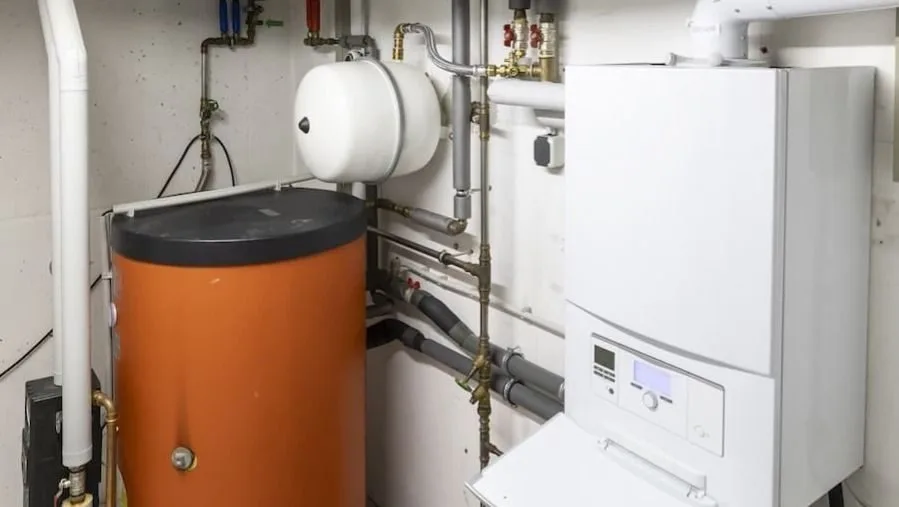
Winter in Princeton, New Jersey, can be especially challenging for homeowners relying on older boiler heating systems. When temperatures drop below freezing, your boiler becomes essential for maintaining comfortable indoor temperatures. However, if your boiler repeatedly turns on and off without adequately heating your home, you may be experiencing short-cycling.
Historic Princeton homes often feature unique heating configurations, including steam radiators, hot-water systems, and plumbing modified over several decades. While these systems can provide dependable warmth, aging components, improper equipment sizing, and circulation problems may contribute to inconsistent heating performance.
In this guide, we’ll explain why boilers short-cycle during Princeton’s winter cold snaps, identify common causes in historic homes, and discuss when professional boiler repair or replacement may be necessary.
What Does Boiler Short-Cycling Mean?
Boiler short-cycling occurs when the burner repeatedly starts and stops in unusually brief intervals rather than operating in cycles appropriate for the home’s heating demand. This behavior can make it difficult to maintain consistent indoor temperatures and may increase wear on heating components.
All boilers cycle during normal operation. The burner turns on when heat is needed and shuts off when the system reaches its operating target or a control limit.
However, frequent burner shutdowns followed by quick restarts can indicate that the boiler isn’t operating as intended.
Important characteristics of boiler cycling include:
-
Normal heating cycles: The burner operates according to thermostat demand and system controls.
-
Short-cycling: The burner repeatedly starts and stops in unusually brief intervals.
-
Steam boiler operation: Burner cycling may occur when steam pressure reaches a control setting.
-
Hot-water boiler operation: Cycling may depend on water temperature, circulation, and heating demand.
-
Cold-weather operation: Longer heating demands can make existing cycling problems more noticeable.
-
Equipment differences: Normal cycle duration varies depending on boiler design and operating conditions.
No single cycle length defines a malfunction for every boiler. A professional evaluation can help determine whether the cycling pattern is normal or indicates an underlying problem.
Why Do Historic Princeton Homes Experience Boiler Problems?
Princeton is known for its historic architecture and established residential neighborhoods, particularly around downtown and the university. Some older properties still rely on traditional radiator heating systems, while others have undergone substantial mechanical upgrades.
Over time, renovations can change a home’s heating needs. New insulation, replacement windows, and additions may alter heating demand without corresponding boiler upgrades.
For example, a boiler originally sized for a poorly insulated home may produce more heat than necessary after extensive energy-efficiency improvements. When equipment output exceeds the home’s current needs, it may cycle frequently.
Older radiator systems can also develop distribution problems. Aging valves, circulation restrictions, and previous piping modifications may prevent heat from moving evenly throughout the property.
Multiple heating zones can create additional challenges, particularly when a large boiler serves a relatively small area calling for heat.
However, living in a historic home doesn’t automatically mean your boiler is outdated or malfunctioning. Many older heating systems continue to operate reliably with proper maintenance and professional service.
Understanding the relationship between the boiler, piping, radiators, and thermostat controls is essential when diagnosing recurring heating problems.
What Causes a Boiler to Short-Cycle During Cold Weather?
Several mechanical and system-related problems can cause a boiler to turn on and off too frequently. The specific cause depends partly on whether your Princeton home uses steam or hot-water heating.
Cold weather doesn’t automatically cause short-cycling, but increased heating demand can make existing equipment problems more noticeable.
Common causes of boiler short-cycling include:
-
Oversized equipment: A boiler produces more heat than the connected system can absorb or distribute effectively.
-
Thermostat problems: Incorrect temperature readings or control issues create irregular heating calls.
-
Circulation restrictions: In hot-water systems, inadequate flow may cause boiler water temperatures to rise too quickly.
-
Faulty temperature controls: Malfunctioning sensors or limit controls interrupt burner operation.
-
Steam pressure problems: A steam boiler repeatedly shuts down when pressure reaches its operating control limit.
-
Improper steam venting: Air removal problems interfere with steam distribution through radiators.
-
Water level problems: Low-water safety controls may interrupt steam boiler operation.
-
Zoning issues: Small heating zones may create operating conditions that contribute to frequent cycling.
For hot-water boilers, circulation is particularly important. If heated water cannot move through the system properly, the boiler may reach its temperature limit before enough heat reaches the living spaces.
Steam boilers operate differently because they distribute steam rather than circulating hot water. Pressure controls, venting, water levels, and boiler sizing can all influence burner cycling.
These problems require different repair approaches, which is why accurate diagnosis matters. Adjusting controls or adding water without understanding the system can create additional problems and potentially unsafe conditions.
Can Your Thermostat or Radiators Cause Boiler Short-Cycling?
Your boiler depends on thermostats and heat distribution components to regulate indoor temperatures. When these parts don’t function correctly, the burner may operate more often than necessary.
A thermostat installed near a drafty window, exterior door, or heat source may register temperatures that don’t accurately represent the rest of the home. This can lead to irregular heating calls or premature shutdowns.
Older thermostats may also develop calibration or electrical problems that interfere with normal operation.
Radiator issues can contribute to uneven heating, though their effects depend on the system type.
In hot-water systems, trapped air, restricted valves, or circulation problems may prevent heated water from reaching certain radiators. In steam systems, malfunctioning air vents or improper distribution can disrupt steam flow.
For historic Princeton homes with multiple floors, these issues may become especially noticeable when outdoor temperatures fall.
If some rooms remain cold while others become excessively warm, the problem may involve heating distribution rather than the boiler itself. A professional can evaluate the thermostat, radiator network, and boiler controls together to identify the cause.
Is Boiler Short-Cycling Dangerous or Just Inefficient?
Frequent boiler cycling isn’t automatically an emergency, but it shouldn’t be ignored. Repeated burner starts can increase wear on certain components and may reduce operating efficiency.
Short-cycling can also contribute to inconsistent heating. Some rooms may remain uncomfortable even while the boiler appears to operate frequently.
During Princeton’s winter cold snaps, unreliable heating can become particularly concerning. Extended periods without adequate heat may also increase the risk of frozen plumbing in vulnerable areas.
Potential consequences of unresolved short-cycling include:
-
Increased wear on burner and control components.
-
Reduced heating efficiency.
-
Inconsistent room temperatures.
-
Higher maintenance requirements.
-
Repeated equipment shutdowns.
-
Difficulty maintaining comfortable indoor conditions.
Some boiler symptoms require more urgent attention than routine cycling problems.
If you smell gas, leave the building and contact your gas utility or emergency services from a safe location. Do not operate electrical switches or attempt to restart the equipment.
If a carbon monoxide alarm activates, evacuate immediately and contact emergency services. Significant leaks, smoke, scorching, or repeated safety shutdowns also require prompt professional attention.
Never bypass boiler safety controls or repeatedly reset equipment that continues shutting down.
What Can Princeton Homeowners Safely Check Before Calling?
When your boiler begins short-cycling, a few basic observations can help you describe the problem to a heating professional. However, limit boiler troubleshooting to safe, accessible checks.
Start by reviewing your thermostat settings. Confirm that the thermostat is set to heating mode and that the requested temperature is above the current indoor temperature.
Next, determine whether the problem affects the entire house or only certain rooms. This distinction can help identify whether the issue may involve the boiler itself or the heating distribution system.
Safe homeowner checks include:
-
Review thermostat settings: Confirm the system is requesting heat.
-
Check electrical power: Confirm the home has power and the thermostat is operating.
-
Observe heating patterns: Note how frequently the burner starts and stops.
-
Compare room temperatures: Identify whether certain areas remain unusually cold.
-
Look for error messages: Record displayed fault codes without changing equipment settings.
-
Listen for unusual noises: Note banging, rattling, or other unfamiliar sounds.
-
Check for visible leaks: Look for water around accessible areas without opening equipment.
-
Review maintenance history: Determine when the boiler was last professionally serviced.
Avoid opening boiler cabinets, adjusting gas components, or changing pressure and temperature controls. These tasks require specialized knowledge and appropriate safety procedures.
Homeowners should also avoid treating steam and hot-water radiators as interchangeable. Maintenance procedures differ, and attempting an unfamiliar adjustment can create additional problems.
If the boiler continues short-cycling or cannot maintain indoor temperatures, professional service is the safest next step.
When Should You Repair or Replace a Short-Cycling Boiler?
A short-cycling boiler doesn’t automatically need replacement. Many cycling problems involve repairable components, maintenance concerns, or heating distribution issues.
For example, a faulty thermostat, malfunctioning control, or circulation problem may be corrected without replacing the entire boiler. When the equipment is otherwise reliable and appropriately sized, repair may provide a practical solution.
However, replacement may be worth considering when major components are deteriorating, repairs become frequent, or the boiler no longer meets the home’s heating requirements.
Boiler age is one factor, but it shouldn’t be the only consideration. Equipment condition, maintenance history, efficiency, repair costs, and compatibility with the existing heating system all matter.
Historic Princeton homes may require extra planning because older radiator networks and piping configurations can affect equipment selection.
Installing a new boiler without evaluating the home’s heating load and distribution system could leave existing comfort problems unresolved. Proper sizing is especially important when previous renovations have changed the property’s heating requirements.
A professional heating evaluation can help determine whether targeted repairs will restore dependable performance or whether replacement offers better long-term value.
Keep Your Princeton Home Warm With Harris Plumbing, Heating, Air & Electric
Boiler short-cycling can be frustrating, particularly when winter temperatures drop and your home struggles to stay comfortable. Thermostat problems, circulation restrictions, steam pressure concerns, and improper equipment sizing can all contribute to frequent burner cycling.
At Harris Plumbing, Heating, Air & Electric, we understand the heating challenges homeowners may experience throughout Princeton and Mercer County. Whether your historic home uses steam radiators or a hot-water boiler system, identifying the underlying cause is essential for restoring reliable operation.
If your boiler keeps turning on and off, or you’re concerned about inconsistent heating, contact Harris Plumbing, Heating, Air & Electric today. Our team can help evaluate your heating concerns, explain available repair options, and determine whether your existing boiler can continue providing dependable winter comfort.