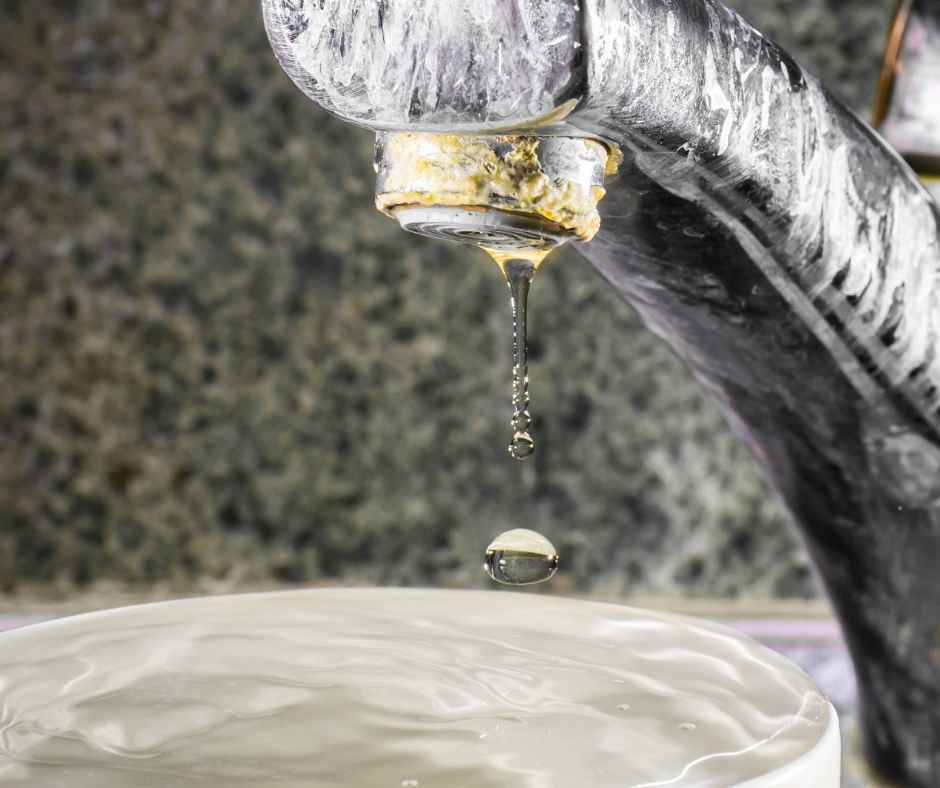
Hard water does more than leave white residue on fixtures. As mineral scale builds up inside water heaters and other water-using equipment, it can trap heat, reduce efficiency, and put extra strain on heating elements, sensors, controls, and other electrical components, leading to failure.
Most homeowners think of hard water as a plumbing nuisance. They notice spots on faucets, cloudy glassware, soap scum, or reduced water pressure. What they do not always see is what hard water is doing inside the equipment itself.
That hidden buildup matters because scale does not stay on the surface. It collects on heat-transfer surfaces and internal parts, where it can block heat transfer, reduce performance, and force electrically powered components to work under more stress than they were designed to handle. Over time, that can lead to expensive part failures, especially in water heaters and tankless systems.
In this guide, you will learn how hard-water mineral buildup affects electrical components, why scale-related failures occur, and what homeowners can do before a water quality problem becomes an equipment problem.
What Is Hard Water Mineral Buildup?
Hard water contains elevated levels of minerals, especially calcium and magnesium. As that water moves through your plumbing system and gets heated, those minerals can leave behind deposits on contact surfaces. Over time, that buildup can plug pipes, damage water heaters, and reduce the performance of water-based appliances throughout the home.
The biggest issue is not just that scale forms. It is where it forms. When mineral deposits collect on internal surfaces that are supposed to transfer heat efficiently, the equipment has to work harder to do the same job.
Why Can Hard Water Lead to Electrical Component Failure?
Mineral scale acts like an insulating layer. Instead of allowing heat to move efficiently into the water, it traps more heat at the component or surface generating it. In tankless systems, heavy scale buildup in the heat exchanger can block heat transfer so badly that the exchanger overheats and trips a thermal fuse. In other words, the water side problem becomes an electrical or control-side failure.
That same basic pattern can affect other systems as well. When heat cannot transfer the way it should, heating elements, sensors, thermostats, relays, and safety controls may cycle more often, run hotter, or operate under abnormal conditions. Even if the first visible symptom is an electrical failure, the root cause may still be mineral buildup. This is an inference based on how scale reduces heat transfer and causes overheating in water-heating equipment.
How Does Scale Damage Heating Elements?
Heating elements are especially vulnerable because they directly generate heat. When scale coats those surfaces, the element has to work harder to heat the water effectively. That added thermal stress can reduce efficiency and increase wear, which is one reason hard water is associated with water heater damage and higher operating costs.
This is why scale problems often first appear as performance issues. Hot water may run out, recovery may slow, or energy bills may rise. But beneath those symptoms, the equipment may already be stressing electrical components more than usual.
Can Mineral Buildup Affect Sensors, Thermostats, and Safety Controls?
Yes. When scale causes water heaters or tankless systems to run hotter than intended, nearby sensors and safety devices can be pulled into the problem. In tankless systems, scale buildup can contribute to overheat conditions that trigger thermal protection devices and error codes. Reduced output and performance issues can also signal scale buildup or failing components within the heat exchanger.
That means the failed part a technician replaces is not always the only issue. If the scale remains, the same conditions that damaged the first control or protection component can continue stressing the system.
Why Are Tankless Water Heaters So Sensitive to Hard Water?
Tankless water heaters are compact, high-performance systems that depend on efficient heat transfer through the heat exchanger. When hard water scale builds up inside that exchanger, heat transfer drops, and unit temperatures can spike. Manufacturers specifically warn that scale buildup can damage the heat exchanger, reduce output, and trigger fault conditions if the unit is not properly descaled and protected.
That is one reason hard water can become expensive fast in a tankless home. What starts as water quality buildup can end with service calls, locked-out equipment, replacement parts, and reduced system life.
Does Hard Water Affect Other Appliances Too?
Yes. Hard water can damage water-based appliances across the home, not just the main water heater. Mineral deposits can accumulate on internal surfaces, reduce efficiency, and shorten the useful life of equipment that relies on clean water flow and consistent heat transfer.
That broader pattern is what makes hard water easy to underestimate. The homeowner may replace one part at a time, but the real issue is affecting multiple systems in the background.
What Are the Warning Signs of Scale-Related Electrical Stress?
Hard water problems often show up before a complete failure happens. Common red flags include:
- Reduced hot water output
- Longer recovery times
- Rising energy bills
- Repeated error codes on tankless equipment
- Popping or rumbling sounds from a water heater
- Burned-out elements or repeated part replacement
- Inconsistent water temperature
- White mineral residue around plumbing fixtures
These signs do not always indicate an electrical failure on their own, but they often point to a system under stress from scale and not operating efficiently.
Can This Problem Be Prevented?
In many cases, yes. Reducing hardness before it causes major scale buildup is one of the most effective ways to protect water heaters and other water-using equipment. Water softening helps prevent mineral deposits and scale-related damage to appliances, pipes, and fixtures. Lowering excessively high water-heating temperatures can also help slow mineral buildup and corrosion inside the system.
For tankless systems, regular descaling is especially important in hard water areas. Without that maintenance, scale buildup can continue until it starts affecting performance, safety devices, and internal components.
Why Waiting Usually Costs More
Hard water scale tends to build gradually, which is why many homeowners delay dealing with it. The problem is that mineral buildup rarely stays cosmetic. Once the scale reduces heat transfer and forces internal parts to run hotter, the system can become less efficient and more failure-prone.
That means the cost of waiting can show up in several places at once: higher utility bills, more frequent service calls, shorter equipment life, and replacement of electrical parts that were damaged by a water quality issue upstream. This final point is an inference based on the documented links between scale, reduced heat transfer, overheating, and appliance damage.
Quick Takeaways for Homeowners
If you are trying to understand the risk, these are the points that matter most:
- Hard water minerals can build up inside water heaters and appliances
- Scale reduces heat transfer and makes equipment work harder
- That extra heat and strain can damage heating elements, sensors, and safety controls
- Tankless water heaters are especially vulnerable when scale is not controlled
- Softening, descaling, and early service can help prevent more expensive failures
Protect the System, Not Just the Symptom
If your home has hard water, a failed element, or a recurring water heater problem may be only part of the story. Mineral buildup can quietly reduce performance, raise operating costs, and shorten the life of the electrical components your equipment depends on.
Harris Plumbing, Heating, Air & Electric can help determine whether hard water is contributing to equipment problems in your home and recommend the right next step before scale leads to more extensive repairs. Contact Harris Plumbing, Heating, Air & Electric to schedule an inspection.