As the heavy snows of winter begin to melt away in the Maryland and Delaware region, homeowners often breathe a sigh of relief. However, the end of the freezing weather brings a new and “hidden” threat to your residential plumbing system. The massive amounts of road salt, sand, and liquid brine used to keep our local highways safe do not simply disappear when the ice melts.
In this blog, we will examine how these winter materials migrate from the streets into your garage drains and sewer lines, creating complex blockages. These substances are often overlooked during routine spring cleaning, yet they can lead to significant damage if left unaddressed. By taking action now, you can ensure your drainage system is clear and ready for the heavy spring rains that are just around the corner.
The Physics of Salt and Slush: How Road Brine Enters Your System
Most homeowners think of their plumbing as an indoor-only system, but for many in our region, the garage floor drain is the front line of winter defense. During a typical March thaw, your vehicles act as a transport mechanism for a cocktail of abrasive materials. As you drive on treated roads like I-95 or Route 1, your tires and undercarriage collect hundreds of pounds of slush, liquid magnesium chloride, and coarse sand.
When you park your car in a relatively warm garage, this frozen mixture begins to melt and slide onto the concrete floor. This runoff does not just sit there; it carries the dissolved salt and suspended grit directly into your floor drains. Because this water is often moving slowly, the heavier particles of sand and gravel tend to settle at the bottom of the drain trap rather than flushing all the way out to the main sewer line.
As the water in the trap eventually evaporates, the salt begins to recrystallize. This creates a hard, mineralized crust that binds with the sand and any motor oil or automotive fluids present on the floor. This process turns a simple drain into a “sediment trap” that can become nearly as hard as concrete over the course of a single season.
The primary pathways for these winter materials to enter your home drainage system include:
- Undercarriage Slush: Massive chunks of ice packed with salt and gravel that fall from wheel wells onto the garage floor.
- Liquid Brine Runoff: Pre-treatment chemicals that remain in liquid form and seep into porous concrete and floor drains.
- Tracked-in Sand: Coarse anti-skid materials that are carried into the house on boots and tires, eventually washing down mudroom drains.
- Driveway Grates: Outdoor trench drains that become overwhelmed by the heavy, sediment-laden meltwater from the main driveway.
- Vehicle Washing: Attempting to spray down a salt-covered car in the driveway, which pushes concentrated brine into the yard and perimeter drains.
- Sump Pit Infiltration: Saline water that seeps through foundation cracks or into the sump pit, where it can corrode the pump’s metal components.
- Porous Pipe Joints: Older clay or cast-iron pipes that may allow salt-heavy groundwater to seep in, accelerating internal corrosion.
Understanding these entry points highlights how easily exterior road conditions can become interior plumbing problems. Regular inspection of these transition areas is vital to maintaining a healthy, functional drainage system throughout spring.
Chemical Erosion and Sediment Traps in Residential Piping
Beyond the physical blockages caused by sand and grit, road salt introduces a chemical threat to your home’s infrastructure. Most residential sewer lines in older parts of Maryland and Delaware are composed of cast iron or galvanized steel. These metals are highly susceptible to the corrosive effects of sodium chloride and magnesium chloride. When concentrated brine enters these pipes, it accelerates oxidation, leading to “pitting” and structural thinning of the pipe walls.
The specific ways that road salt and sediment chemically and physically damage your pipes include:
- Galvanic Corrosion: Salt acts as an electrolyte, accelerating the electrochemical reaction between dissimilar metals in your plumbing, leading to rapid leaks.
- Scale Hardening: Dissolved salts can combine with the natural minerals in your water, forming an exceptionally hard scale that is difficult to scrape off.
- Trenching: In horizontal sewer lines, heavy sand and grit settle at the bottom and are pushed along by water, slowly grinding a “trench” through the pipe floor.
- Joint Weakening: Corrosive brine can erode the packing material and seals in older pipe joints, leading to root intrusion and groundwater leaks.
- Bacterial Growth: The “mud” formed by sand and organic matter creates a perfect breeding ground for bacteria that produce foul odors and sewer gases.
- Check Valve Failure: Fine grit can jam the moving parts of backwater valves, preventing them from closing during a heavy spring rainstorm.
- Pump Abrasions: If salt and sand reach your ejector pump, the abrasive particles will quickly wear down the impeller and mechanical seals.
These invisible chemical and physical processes can quietly compromise the reliability of your entire drainage network. Taking a proactive approach to cleaning these lines in March prevents the sudden and messy backups that often accompany the first big spring thaw.
Recognizing the Signs of a Salt-Induced Drain Obstruction
Because road salt and sediment clogs often form in secondary lines like garage drains or basement floor drains, they can go unnoticed for weeks. However, the signs of a salt-induced obstruction are distinct from those of an average kitchen grease clog. One of the first indicators is a white, powdery crust around the drain grate or along the floor nearby. This “efflorescence” is a clear sign that salt-saturated water has been backing up and evaporating, leaving behind pure mineral deposits.
Early detection allows for simple flushing rather than a full-scale emergency repair. Keep a close eye on these specific warning signs as the weather begins to warm up in March:
- Slow Garage Drainage: Water pooling around the drain for more than a few minutes after a car melt or a floor cleaning.
- Recrystallized Salt: Visible white or grayish crystals forming on the drain cover or the surrounding concrete.
- Gritty Residue: A layer of fine sand or small pebbles left on the floor after water has finally drained away.
- Gurgling Noises: Unusual sounds coming from floor drains when the washing machine discharges or a nearby toilet is flushed.
- Discolored Runoff: Water that appears unusually dark or “muddy” as it struggles to enter the drain.
- Localized Humidity: A basement or garage that feels unusually damp or smells of mildew due to standing water in the pipes.
- Backups During Rain: Minor flooding in the garage during a heavy rainstorm, suggesting the line cannot handle a high volume of water.
Catching these symptoms during your initial spring plumbing maintenance walk-through can save you from a major headache. If any of these signs are present, the “hidden” clogs of winter have already begun to take hold of your system.
Preventative Measures: Flushing and Protecting Your Lines in March
The best way to combat the accumulation of road salt and sediment is to flush aggressively before the spring rain season begins. For the garage, use a high-volume garden hose to clear the floor and the drain trap of any remaining winter grit. It is important to avoid using a pressure washer directly into the drain, as the intense force can sometimes push heavy sediment deeper into the line rather than clearing it out.
Instead, a steady, high-flow stream of water helps to dissolve salt crystals and carry suspended sand further into the main sewer line. You should also consider installing a removable sediment basket or a fine-mesh drain cover. These simple additions can capture most of the sand and gravel before it ever enters your plumbing, making your seasonal plumbing maintenance much easier in the future.
Protect your home by following these preventative maintenance steps this month:
- Hot Water Flushing: Pouring several gallons of hot water down floor drains to help dissolve hardened salt and brine deposits.
- Wet Vacuuming: Using a shop vacuum to suck out the standing water and sediment from the bottom of drain traps before flushing.
- Surface Cleaning: Thoroughly washing your garage floor to remove all salt residue so it cannot be washed into the drain by the next rain.
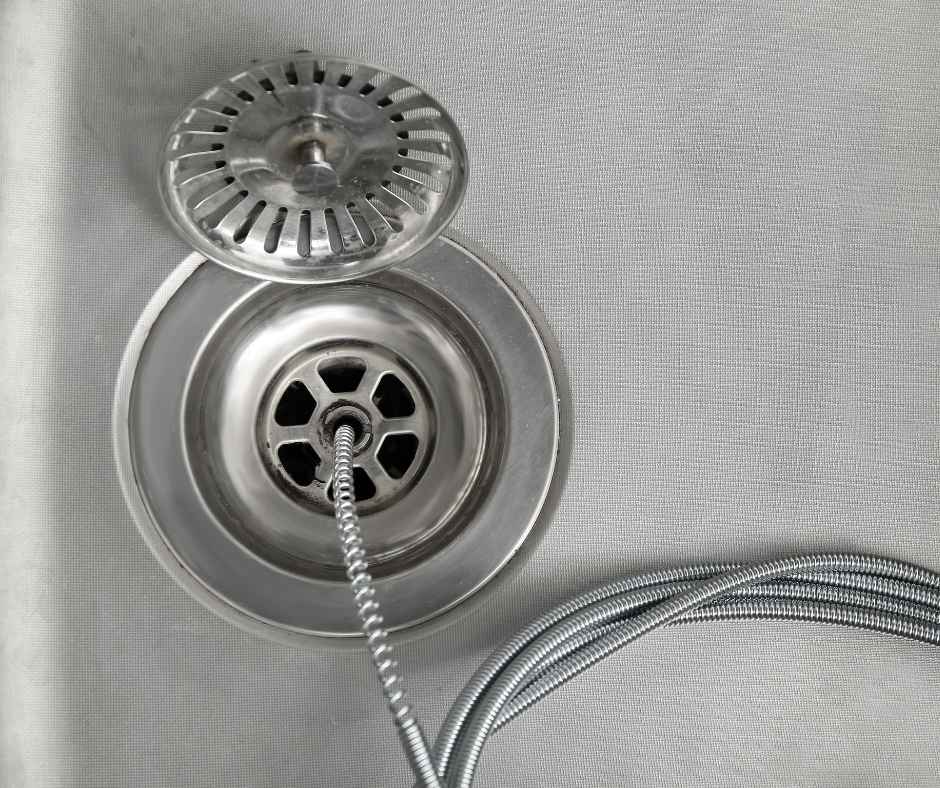
- Grate Inspection: Removing drain covers to manually scoop out any large debris or pebbles that have collected at the surface.
- Under-Car Washing: Rinsing your vehicle’s undercarriage in the driveway or at a professional car wash rather than inside the garage.
- Seal Inspection: Checking the concrete around the drain for cracks that might allow salty water to seep into the foundation.
These steps create a cleaner environment for your plumbing and prevent the slow buildup of “hidden” clogs. A small amount of effort in March goes a long way in protecting your main sewer lines.
Clear the Path for Spring with Expert Drain Care
Road salt and sediment may be “hidden” threats, but their impact on your Maryland or Delaware home is very real. By identifying the signs of winter residue and taking proactive steps to clear your lines, you can avoid the mess and expense of a major backup.
Harris Plumbing, Heating, Air & Electric is proud to provide the expert drain services and plumbing maintenance our community needs to stay dry. If you suspect your drains are struggling with winter grit, contact us today to schedule a professional inspection and cleaning.
FAQ: Winter Residue and Your Drains
Why does road salt cause my drains to smell like a pond?
The salt and sand trap organic material, such as leaves or grease, at the bottom of the drain trap. As this mixture decays in a low-oxygen environment, it produces earthy, stagnant odors.
Can salt damage my PVC pipes?
While PVC is corrosion-resistant, the abrasive nature of road sand can still wear down the pipe walls over time. Additionally, salt can damage the rubber gaskets and seals at pipe joints.
Is hydro-jetting safe for older cast iron pipes?
When performed by a professional, hydro-jetting is safe. We use a camera inspection first to verify the pipe’s integrity and adjust the pressure to remove the scale without damaging the structure.
How often should I flush my garage floor drain?
In the Mid-Atlantic region, we recommend a deep flush at the beginning of winter and again in mid-March to clear out the bulk of the seasonal road salt.
Can I use chemical drain cleaners to dissolve road salt?
No. Chemical cleaners are designed for hair and grease; they are ineffective against minerals like salt and sand, and they can worsen the corrosion of your metal pipes.