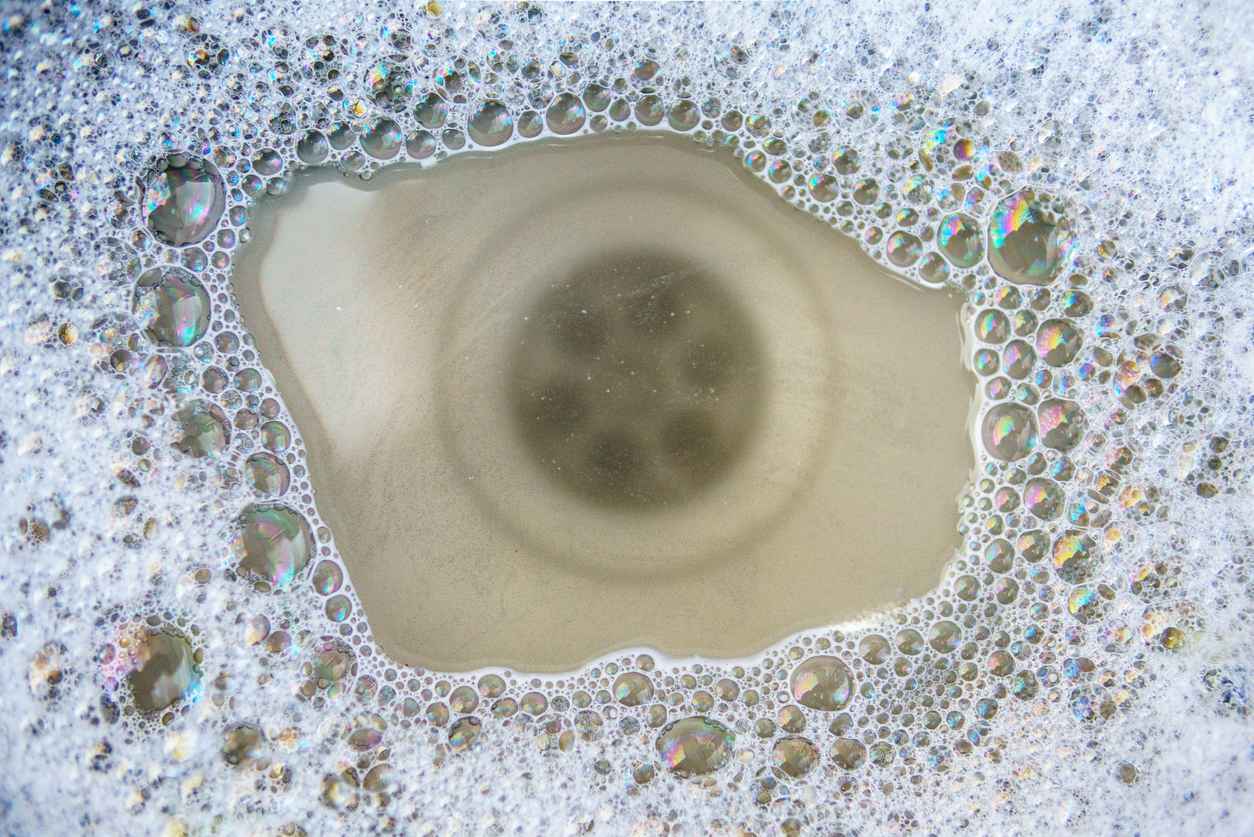
For homeowners in the Mid-Atlantic region, a slow-draining sink or a backed-up tub is more than a minor annoyance. In states like Delaware, Maryland, and Pennsylvania, our plumbing systems face a unique combination of aging infrastructure and seasonal shifts. Whether you live in a historic row home in Wilmington or a modern suburban build in Jersey, your drains are the unsung heroes of your daily routine.
At Harris Plumbing, Heating, Air & Electric, we have seen it all. We know that the Mid-Atlantic climate and our specific local soil conditions play a larger role in your plumbing health than you might think. From the kitchen sink to the main sewer line, understanding what causes these blockages is the first step toward preventing a messy, expensive emergency.
The Kitchen Crisis: Fats, Oils, and Grease (FOG)
The kitchen is the heart of the home, but it is also the primary site for some of the most stubborn clogs we encounter. In our region, where home-cooked meals and family gatherings are a staple of life, the kitchen drain takes a heavy beating. The most common offender is a group of substances plumbers call FOG (Fats, Oils, and Grease).
While these substances might look like liquid when they are hot, they behave very differently once they enter your pipes:
- The Hardening Effect: As liquid grease cools down inside your plumbing, it solidifies into a waxy, cement-like substance. This creates a “shelf” inside the pipe that catches other debris.
- The Garbage Disposal Myth: Many people believe their garbage disposal is a “catch-all” for food scraps. In reality, starchy items like potato peels, pasta, and rice expand in water, creating a thick paste that can stop a drain cold.
- Coffee Grounds and Eggshells: These items do not break down. Instead, they settle in the “P-trap” or combine with sticky grease to form a physical barrier that prevents water flow.
- Chemical Drain Cleaners: In 2026, we strongly advise against the “quick fix” of store-bought chemical cleaners. These harsh acids can generate heat that damages PVC pipes or causes older metal pipes to corrode from the inside out.
The best rule of thumb for your kitchen is simple. If it isn’t water or a mild soap, it probably shouldn’t go down the drain.
Bathroom Blockages: The “Flushable” Wipe Trap
In the bathroom, clogs are rarely a sudden event. They are typically the result of weeks or months of accumulation. While hair is the most common natural culprit, the modern “flushable” wipe has become the number one cause of emergency service calls in the Mid-Atlantic region.
Our local sewer systems in Delaware and Pennsylvania are often older. These systems were never designed to handle the synthetic fibers used in modern hygiene products. To keep your bathroom lines flowing, be mindful of these common blockages:
- The Flushable Wipe Myth: Despite what the packaging says, these wipes do not disintegrate like toilet paper. They stay intact as they travel through your pipes. They often snag on small imperfections in older metal pipes, creating a “fatberg” that can eventually back up your entire home.
- Hair and Soap Scum Binding: Long hair is a natural net for debris. When it combines with the fats and talc found in traditional bar soaps, it creates a waterproof mat. This “soap scum” acts like glue, making the clog much harder to clear with a simple plunger.
- Cotton Swabs and Dental Floss: These items are small but indestructible. Dental floss is particularly dangerous because it can wrap around other debris, forming a strong “rope” that catches everything else passing through the pipe.
- Small Foreign Objects: In households with young children, we frequently find toys, toothbrushes, or even decorative stones in the toilet trap. These objects create a partial blockage that might allow water through, but will catch any solid waste.
- Hard Water Mineral Deposits: As seen across Maryland and Delaware, mineral buildup in the narrow drains of a shower or sink can slow drainage. This makes it easier for hair and soap to get stuck.
The safest rule for your bathroom is to stick to the “Three Ps”: pee, poop, and paper. Everything else belongs in the trash can.
The Outdoor Factor: Root Intrusion and Soil Shifting
In the Mid-Atlantic, many of our drainage problems actually start outside the foundation of the house. Our region is known for its beautiful, mature trees and its heavy clay soil. While these features make for a lovely landscape, they can be a nightmare for your underground sewer lines. This is especially true in older neighborhoods across Delaware and Maryland, where clay or cast-iron pipes are still in use.
The following environmental factors are common causes of major sewer backups:
- Tree Root Intrusion: Tree roots are naturally attracted to the moisture and nutrients inside your sewer pipes. If there is a microscopic crack or a loose joint, a tiny root hair will find its way inside. Once it enters the pipe, it grows rapidly. This creates a literal “web” that catches toilet paper and waste until the pipe is completely sealed.
- Clay Soil Expansion: The soil in our area has a high clay content. This type of soil expands when it is wet and contracts when it is dry. This constant movement puts immense pressure on your buried pipes. Over time, the shifting earth can cause pipes to crack or the joints to separate.
- Sewer Line “Bellies”: When the ground beneath a pipe shifts or settles, the pipe can sag, creating a low spot. Gravity can no longer pull the waste downward in these areas. Instead, water and debris pool in the “belly” of the pipe. This leads to frequent, recurring clogs that a simple snake cannot permanently fix.
- Seasonal Heavy Rains: The Mid-Atlantic often experiences intense rainstorms that can overwhelm local municipal sewer systems. When the city lines are full, the pressure can cause water to back up into the lowest drains of your home, such as those in a basement or crawlspace.
Because these issues happen underground, you usually cannot see them until the backup occurs. If you notice your drains gurgling or if multiple fixtures are backing up at once, the problem is likely in the main line outside your home.
The Hidden Threat: Aging Infrastructure and Pipe Scale
Many homes in the Mid-Atlantic region are historic or were built during the post-war housing boom. While these homes have character, their plumbing systems are often reaching the end of their natural lifespan. In cities like Wilmington and throughout the surrounding counties, we still encounter many homes with original cast-iron or galvanized-steel drain lines. These materials do not stay smooth over time. Instead, they undergo internal degradation, making clogs almost inevitable.
As these pipes age, they develop several internal issues that catch debris:
- Internal Corrosion and Rusting: Galvanized steel and cast iron pipes rust from the inside out. This creates a rough, sandpaper-like texture on the inner walls. Even if you are careful about what you flush, waste, and toilet paper snag on these rusty burrs and create a “snowball effect” that leads to a total blockage.
- Mineral Scaling: As seen in many local water supplies, high concentrations of dissolved minerals can form “scale” in your drain lines. This hard, crusty buildup narrows the pipe’s diameter. A four-inch pipe can eventually be reduced to a two-inch pipe, making it impossible for the system to handle high-volume drainage.
- Pipe Channeling: In older cast-iron horizontal lines, the bottom of the pipe can eventually wear away over decades of water flow. This creates a jagged “channel” or a “trough” at the bottom of the pipe. Debris gets caught in these gaps, causing persistent backups that are difficult to clear with standard methods.
- Orangeburg and Terra Cotta Failure: Some mid-century homes use Orangeburg (bituminous fiber) or terra cotta for their main sewer lines. These materials are prone to collapse or become “egg-shaped” under the weight of soil. This structural failure creates a permanent obstruction that requires a full replacement rather than a simple cleaning.
In 2026, the best way to diagnose these hidden threats is through a high-definition sewer camera inspection. This allows our technicians to see exactly what is happening inside your walls or under your yard without any digging. Knowing whether your clog is caused by a simple obstruction or a failing pipe is the key to making a smart, long-term repair decision.
Preventative Care: How to Keep Your Drains Flowing
While some clogs are inevitable due to the age of your home, many plumbing emergencies can be prevented with a few simple habits. Taking a proactive approach to your drainage system saves you money and prevents the stress of a flooded basement or a non-functional kitchen. In the Mid-Atlantic region, where weather and soil conditions are constantly changing, regular maintenance is your best defense.
Follow these professional tips to keep your pipes clear:
- Install Mesh Strainers: The simplest and cheapest way to prevent clogs. Use fine mesh strainers in every tub, shower, and kitchen sink to catch hair, food scraps, and small debris before they ever enter your plumbing.
- The Weekly Hot Water Flush: Once a week, pour a large pot of boiling water down your kitchen drain. This helps melt away any minor grease buildup that has started to solidify on the pipe walls.
- Baking Soda and Vinegar: For a natural, safe monthly maintenance routine, pour half a cup of baking soda, then half a cup of white vinegar down your drains. Let it sit for 10 minutes, then flush with hot water. This mild chemical reaction helps break down organic matter without damaging your pipes.
- Schedule Professional Hydro-Jetting: If you live in an older home with a history of clogs, consider professional hydro-jetting. This service uses high-pressure water to scrub the inside of your pipes. It removes years of scale and sludge, essentially “resetting” your plumbing to like-new condition.
- Root Maintenance: If you have large trees near your sewer line, ask a professional about root-growth inhibitors. These treatments can stop roots from entering your pipes without killing the tree itself.
At Harris Plumbing, Heating, Air & Electric, we believe that an ounce of prevention is worth a gallon of cure. Our team is equipped with the latest diagnostic tools to find the root cause of your drainage issues before they turn into a crisis.
A Clear Path for Your Plumbing
Navigating the unique plumbing challenges of the Mid-Atlantic requires a mix of good habits and professional oversight. Whether you are battling the grease traps of a busy kitchen, the “flushable” wipe myth in the bathroom, or the persistent tree roots in your yard, understanding the cause is half the battle. By staying vigilant and addressing slow drains before they become full backups, you can protect your home’s infrastructure and avoid the high costs of emergency repairs.
At Harris Plumbing, Heating, Air & Electric, we are committed to keeping the pipes of our neighbors in Delaware, Maryland, and Pennsylvania flowing freely. From high-tech camera inspections to powerful hydro-jetting services, we provide the long-term solutions your home deserves.
Don’t let a hidden clog disrupt your daily life. Contact us today to schedule a drain evaluation and ensure your plumbing system is ready for whatever the 2026 season brings.
Frequently Asked Questions
Are “flushable” wipes really that bad for my plumbing?
Yes. Despite the label, these wipes do not break down like toilet paper. In our Mid-Atlantic sewer systems, they frequently snag on older pipes, creating massive blockages. We recommend disposing of all wipes in the trash can to avoid expensive sewer backups.
Why does my drain smell like rotten eggs?
This odor is often caused by a buildup of organic matter, hair, and soap scum in the P-trap. It can also be a sign of a “dry” trap in an unused guest bathroom. If the smell persists after running water for a few minutes, you may have a venting issue or a more serious blockage in the main line.
Can I use liquid drain cleaners for a slow drain?
We advise against using harsh chemical cleaners. These products are often highly corrosive. They can damage PVC pipes and accelerate the rusting process in older cast iron or galvanized steel lines. A mechanical snake or professional cleaning is much safer for your home.
How often should I have my main sewer line inspected?
If you live in a home built before 1980 or have several large trees on your property, we recommend a camera inspection every two to three years. This allows you to catch root intrusion or pipe shifting before it causes a total system failure.
Why do my drains gurgle when I flush the toilet?
Gurgling is a sign that air is struggling to move through your plumbing system. This is usually caused by a partial blockage in the main drain or a clogged vent pipe on your roof. You should have this checked by a professional, as it is often the final warning sign before a complete backup.