High spring humidity can damage electrical components by allowing moisture to collect on wiring, outlets, panels, switches, breakers, HVAC controls, and appliance connections. When moisture mixes with dust, corrosion, loose connections, or aging equipment, it can increase the risk of short circuits, tripped breakers, equipment failure, and electrical safety hazards.
Spring can bring warmer weather, longer days, and fresh air, but it can also bring heavy moisture into your home. Rain, damp basements, crawl space humidity, condensation, and changing temperatures can all affect your electrical system in ways that are easy to overlook.
Electrical components are designed to work in dry, controlled conditions. When humidity rises, moisture can settle on metal parts, wiring connections, outlets, switches, circuit boards, and HVAC controls. Over time, that moisture can contribute to corrosion, poor connections, nuisance breaker trips, and equipment failure.
In this guide, we’ll explain why high spring humidity can lead to electrical component failure, which warning signs homeowners should watch for, and when to call Harris Plumbing, Heating, Air & Electrical for professional electrical service.
Why Does Spring Humidity Affect Electrical Systems?
Spring humidity affects electrical systems because moisture and electricity do not mix well. When warm, damp air moves through a home, it can create condensation on cooler surfaces. That moisture may collect in areas where electrical components are located, especially in basements, crawl spaces, garages, attics, outdoor outlets, and utility rooms.
Humidity can affect electrical systems by:
- Encouraging corrosion on metal parts
- Weakening electrical connections
- Increasing the chance of short circuits
- Damaging sensitive control boards
- Causing breakers or GFCI outlets to trip
- Creating condensation inside panels or fixtures
- Making existing wiring problems worse
- Reducing the lifespan of electrical components
A small amount of moisture may not cause immediate failure. The bigger issue is repeated exposure. Spring weather can keep certain areas damp for days or weeks, especially if the home has poor ventilation, drainage problems, or existing moisture issues.
Which Electrical Components Are Most at Risk From Humidity?
Some electrical components are more vulnerable to humidity because they are exposed, located in damp areas, or rely on sensitive electronics.
High humidity can affect:
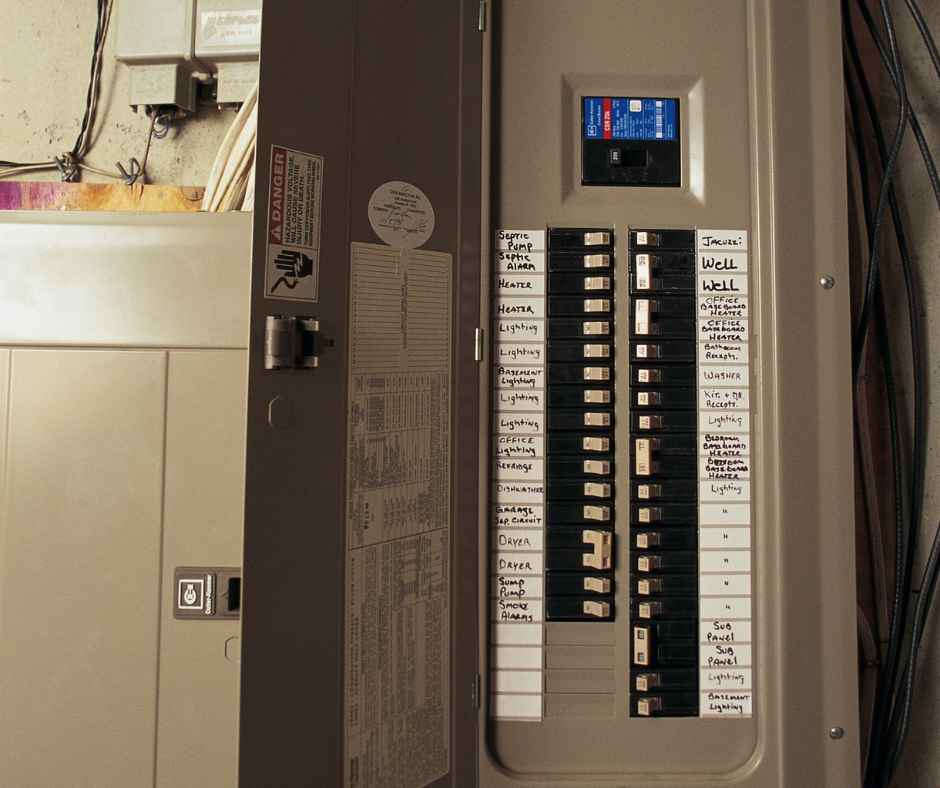
- Electrical panels
- Circuit breakers
- Outlets
- Light switches
- GFCI outlets
- Outdoor receptacles
- HVAC control boards
- Thermostats
- Furnace and air handler wiring
- Sump pump connections
- Water heater wiring
- Appliance outlets
- Ceiling fans
- Garage wiring
- Basement electrical components
- Crawl space wiring
Modern homes also contain more electronic controls than ever. HVAC systems, smart thermostats, appliances, lighting systems, and safety devices may all rely on circuit boards and sensors that can be affected by moisture.
How Does Moisture Cause Corrosion in Electrical Parts?
Corrosion happens when metal reacts with moisture and oxygen. In an electrical system, corrosion can form on terminals, wire connections, breaker contacts, outlets, switches, and equipment connections.
Corrosion can lead to:
- Poor electrical conductivity
- Heat buildup
- Flickering lights
- Intermittent power loss
- Tripped breakers
- Damaged components
- Equipment failure
- Increased fire risk in severe cases
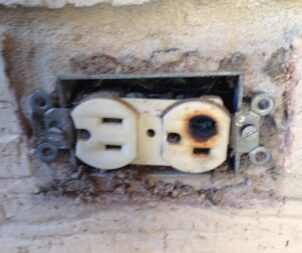
Corrosion is especially concerning because it can develop slowly. A connection may work for a while, then begin to fail as corrosion worsens. That is why homeowners should not ignore flickering lights, buzzing outlets, warm switches, or breakers that trip repeatedly.
Can Humidity Cause Breakers to Trip?
Yes, humidity can contribute to breaker trips, especially when moisture reaches wiring, outlets, appliances, or electrical equipment. Breakers are designed to protect your home when there is too much current, a short circuit, or another unsafe condition.
Spring humidity may contribute to breaker trips when:
- Moisture enters an outdoor outlet
- A damp appliance connection creates a fault
- Condensation forms inside equipment
- Corrosion increases resistance
- Wiring insulation is damaged
- A GFCI detects moisture-related leakage
- HVAC equipment struggles during humid weather
- A sump pump or basement device is exposed to moisture
A breaker that trips once may be caused by a temporary overload. A breaker that trips repeatedly should be inspected. Resetting the breaker repeatedly without fixing the source can make the problem worse.
Why Do GFCI Outlets Trip More During Damp Weather?
GFCI outlets are designed to shut off power when they detect electrical current leaking where it should not go. These outlets are commonly found in bathrooms, kitchens, garages, basements, laundry rooms, crawl spaces, and outdoor areas.
During humid spring weather, GFCI outlets may trip more often because of:
- Moisture in outdoor receptacles
- Damp extension cords
- Water near basement outlets
- Humidity in garages
- Leaks near kitchen or bathroom outlets
- Condensation around appliances
- Worn outlet covers
- Improperly sealed exterior boxes
A tripping GFCI should not be ignored. It may be doing its job by preventing a shock hazard. If the outlet will not reset, trips often, or feels warm, schedule electrical service.
Can Spring Humidity Damage HVAC Electrical Components?
Yes. HVAC systems contain many electrical parts that can be affected by moisture. Spring is a common transition season when air conditioners run more often, humidity rises, and electrical components are under increased demand.
Humidity can affect HVAC parts such as:
- Control boards
- Contactors
- Capacitors
- Thermostats
- Relays
- Wiring connections
- Blower motors
- Condensate safety switches
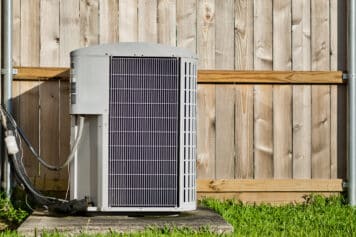
- Outdoor unit electrical components
Moisture near HVAC equipment can cause corrosion, short circuits, communication errors, or intermittent operation. If your AC does not start, shuts off unexpectedly, or trips a breaker during humid weather, the issue may involve an electrical component.
Why Are Basements and Crawl Spaces More Vulnerable?
Basements and crawl spaces are often the first places to show spring moisture problems. Heavy rain, rising groundwater, poor drainage, and humid air can make these spaces damp. If electrical components are located nearby, they may be exposed to moisture over time.
Basements and crawl spaces may create electrical risks because of:
- High humidity
- Standing water
- Condensation
- Poor ventilation
- Exposed wiring
- Older electrical work
- Sump pump activity
- Damp insulation
- Rusted boxes or covers
- Water intrusion after storms
If you notice a musty smell, damp walls, standing water, or rust near electrical components, have the area inspected. Moisture problems and electrical systems should be handled carefully.
What Are the Warning Signs of Humidity-Related Electrical Problems?
Humidity-related electrical problems may start small. The signs can be intermittent, especially when moisture levels change from day to day.
Watch for:
- Breakers that trip repeatedly
- GFCI outlets that will not reset
- Flickering lights
- Buzzing sounds from outlets or switches
- Warm outlets or switch plates
- Burning smells
- Rust around electrical panels or boxes
- Corrosion on outlets or covers
- AC or appliances shutting off unexpectedly
- Lights dimming when equipment starts
- Outdoor outlets failing after rain
- Moisture near electrical components
- A panel that looks damp or rusted
- Electrical problems that worsen after storms
If you smell burning, see sparks, or notice water near live electrical equipment, avoid the area and call for help right away.
Can Humidity Increase Electrical Fire Risk?
Humidity itself does not automatically cause an electrical fire, but it can contribute to conditions that increase risk. Moisture can corrode connections, damage insulation, and cause components to overheat or fail.
Risk increases when humidity is combined with:
- Loose wiring
- Aging electrical panels
- Overloaded circuits
- Corroded connections
- Damaged outlets
- Poorly sealed outdoor wiring
- Water intrusion
- Improper DIY electrical work
- Old breakers
- Faulty appliances
The safest approach is to treat moisture-related electrical symptoms seriously. A professional inspection can identify whether a component needs repair, replacement, or protection from future moisture exposure.
How Can Homeowners Reduce Humidity-Related Electrical Damage?
Homeowners can lower the risk of electrical component failure by controlling moisture and keeping electrical equipment in good condition.
Helpful steps include:
- Keep basements and crawl spaces dry.
- Repair plumbing leaks quickly.
- Use bathroom and kitchen exhaust fans.
- Make sure outdoor outlets have proper covers.
- Avoid using damaged extension cords outdoors.
- Keep electrical panels clear and accessible.
- Watch for rust near outlets or switches.
- Schedule service for repeated breaker trips.
- Replace damaged GFCI outlets.
- Maintain the HVAC system before cooling season.
- Keep gutters and downspouts draining away from the home.
- Address standing water near foundations.
- Use dehumidification where moisture is persistent.
Moisture control is a whole-home issue. Plumbing leaks, HVAC humidity problems, poor drainage, and electrical safety can all be connected.
Should You Inspect Your Electrical System After Heavy Spring Rain?
Yes, especially if your home has a history of basement moisture, crawl space dampness, outdoor outlet problems, or storm-related electrical issues.
After heavy spring rain, check for:
- Water near outlets
- Dampness around the electrical panel
- Rust on outlet covers
- GFCI outlets that tripped
- Sump pump electrical issues
- Moisture near HVAC equipment
- Lights flickering after storms
- Outdoor outlets that stopped working
- Breakers that tripped during rain
Do not touch electrical components if they are wet or if standing water is nearby. Turn off power only if it is safe to do so, and call a professional if there is any doubt.
When Should You Call an Electrician?
You should call an electrician any time moisture and electrical symptoms appear together. These issues are not worth guessing on, especially when wiring, panels, HVAC equipment, or outdoor outlets are involved.
Call Harris Plumbing, Heating, Air & Electrical if you notice:
- Repeated breaker trips
- GFCI outlets that keep tripping
- Rust around electrical components
- Flickering or dimming lights
- Burning smells
- Buzzing outlets or switches
- Outdoor outlets failing after rain
- Moisture near the electrical panel
- HVAC electrical failures
- Warm outlets or switches
- Electrical problems in the basement or crawl space
- Any wiring exposed to water
A professional can inspect the affected components, find the source of the problem, and recommend safe repairs.
Protect Your Electrical System Before Spring Humidity Causes Failure
High spring humidity can lead to electrical component failure when moisture collects around wiring, outlets, breakers, panels, HVAC controls, and appliances. Over time, damp conditions can cause corrosion, short circuits, nuisance trips, and safety concerns that should not be ignored.
If your breakers keep tripping, outlets feel warm, GFCI outlets will not reset, or electrical problems appear after rain or humid weather, Harris Plumbing, Heating, Air & Electrical can help. Contact us today to protect your home, improve safety, and stop moisture-related electrical issues before they become more serious.