As the frost retreats, New Jersey’s clay-heavy soil holds moisture like a sponge, creating immense pressure against your basement walls. With the state’s official adoption of the REAL rules in early 2026, homeowners now face stricter flood protection and disclosure standards than ever before. Preparing your drainage system is no longer just a chore; it is a critical step in preserving your home’s value and compliance in this new regulatory landscape.
In this guide, we will discuss how to prepare your sump pump for the spring thaw and what the latest NJ flood mandates mean for your property.
Decoding the “REAL” Rules: New Jersey’s 2026 Flood Mandates
On January 20, 2026, the New Jersey Department of Environmental Protection (NJDEP) officially adopted the Resilient Environments and Landscapes (REAL) rule amendments. These are the first land-use regulations in the country to be grounded directly in climate science and projected sea-level rise. For many New Jersey homeowners, the most immediate impact is the creation of a “Climate Adjusted Flood Elevation” (CAFE). This standard adds 4 feet to the current FEMA 100-year flood elevation requirements. This change expands the regulated flood hazard areas across the state, bringing thousands of homes into new jurisdictional zones that were previously considered “safe” or low-risk.
The “REAL” rules also influence how you manage water on your specific lot. If you are planning a substantial renovation, defined as an improvement exceeding 50 percent of the home’s value, you may now be required to meet these elevated floodproofing standards. Furthermore, the state has strengthened the Flood Risk Notification Law, making it mandatory for sellers and landlords to disclose not only past flood history but also whether the property is located within newly defined climate-adjusted risk zones. This means that a dry basement is no longer just a personal preference; it is a documented asset that directly affects your property’s marketability and compliance with New Jersey law.
- Expanded Regulatory Zones: The four-foot elevation increase means more inland and coastal properties now fall under NJDEP flood hazard oversight.
- Stricter Disclosure Requirements: Sellers must explicitly answer if a property has ever experienced water seepage or pooled water during heavy rains.
- Substantial Improvement Trigger: Renovations exceeding the 50 percent value threshold may require the entire structure to be brought into compliance with current floodproofing codes.
- Stormwater Management: New rules encourage nature-based solutions and improved drainage for redevelopment projects, reducing runoff into neighboring yards.
- Market Impact: Homes with verified, professional flood protection systems, such as high-capacity sump pumps, are experiencing greater valuation stability under the new rules.
At Harris Plumbing, Heating, Air & Electric, we stay ahead of these regulatory shifts so you don’t have to. We understand that the “REAL” rules can be overwhelming, but they are ultimately designed to make our communities more resilient to the intense storms we have seen in recent years. By hardening your home against groundwater today, you are doing more than just preventing a puddle: you are future-proofing your investment against the evolving legal and environmental standards of the Garden State.
Sump Pump Science: Fighting the Jersey Clay
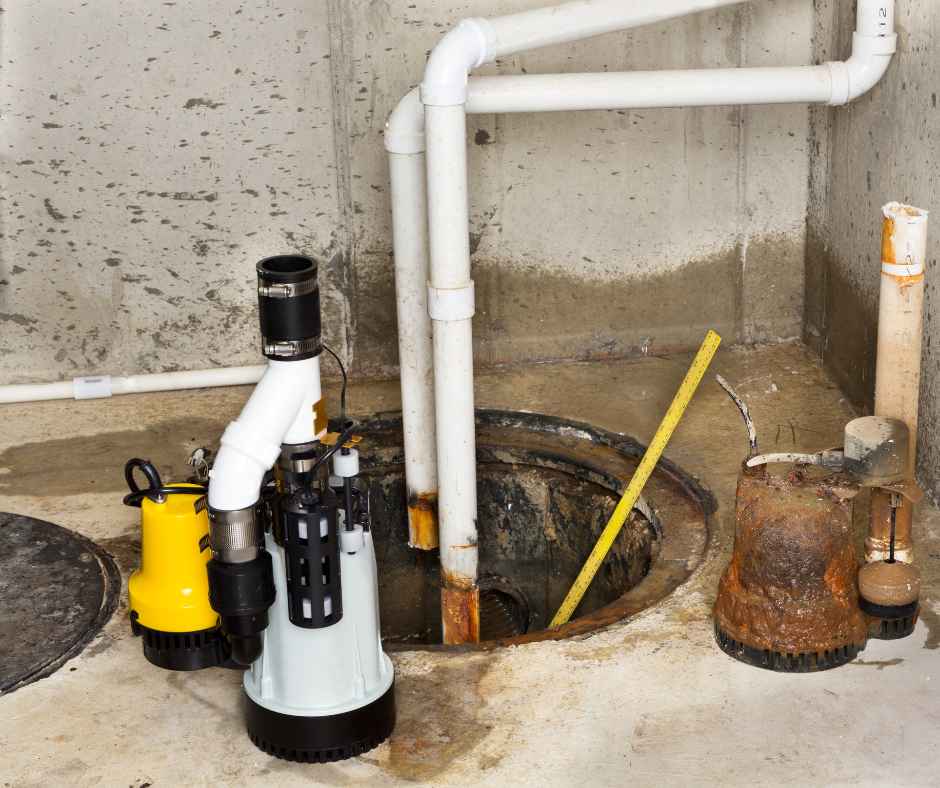
New Jersey is famous for its “Jersey Clay,” a soil type that is remarkably effective at holding onto moisture long after a storm has passed. Unlike sandy soils that allow water to percolate quickly, clay particles are tightly packed, creating a heavy, saturated environment around your foundation. During the spring thaw, this soil becomes a literal weight against your home, exerting hydrostatic pressure that seeks out every hairline crack and porous joint in your concrete. Your sump pump is the primary mechanical solution to this geological pressure, acting as a relief valve that collects groundwater in a pit and ejects it before it can seep through your floor.
For a sump pump to win the battle against Jersey clay, it must be in peak mechanical condition. Over the winter, fine silt and sediment can settle at the bottom of your sump pit, potentially hardening into a crust that can clog the pump’s intake screen. If the intake is restricted, the motor must work twice as hard to move half the water volume, leading to overheating and premature failure when you need it most. Furthermore, the “thaw-freeze” cycle common in late February and March can freeze the water in your exterior discharge line, creating an ice plug that prevents the pump from clearing the pit.
- High-Torque Motors: Because clay-laden water is denser and heavier than clear rainwater, we recommend pumps with higher horsepower to handle the increased load.
- The Float Switch: This is the most common point of failure; if debris pins the float against the pit wall, the pump will not turn on.
- Impeller Integrity: The spinning “fan” inside the pump can be damaged by small pebbles or hardened clay, reducing its efficiency.
- The Check Valve: This one-way valve prevents the water in the vertical pipe from falling back into the pit, saving your pump from unnecessary “short-cycling.”
- Exterior Grading: Even the best pump can be overwhelmed if your yard’s grading is directing water toward the house rather than away from it.
Testing your pump with a “bucket test” is a great start, but it doesn’t reveal the hidden wear on the motor or the internal seals. At Harris Plumbing, Heating, Air & Electric, our spring readiness service includes a deep-cleaning of the sump basin and a comprehensive electrical load test. We ensure that the discharge path is clear and that your pump is positioned perfectly upright to prevent float jams. In a state where the soil works against you, a professionally tuned sump pump is the only way to ensure your basement remains a dry, usable space throughout the unpredictable transition into spring.
The Battery Backup: Your Basement’s Insurance Policy
In New Jersey, a primary sump pump is only as reliable as the electrical grid that powers it. During a significant spring storm, the same heavy winds and lightning that lead to localized flooding are often responsible for widespread power outages. If your home relies on a single, corded pump, your basement is effectively defenseless the moment the lights go out. A high-quality battery backup system serves as a secondary line of defense, automatically taking over if the primary pump loses power or becomes overwhelmed by high groundwater volume. Under the 2026 NJ REAL rules, maintaining a dry basement is more than just a matter of comfort: it is a necessity for preserving your home’s “dry” status for future resale disclosures.
Modern battery backup systems are far more than just a spare power source. Many of the units we install at Harris Plumbing, Heating, Air & Electric feature smart controllers that monitor battery health and the pump’s cycle frequency. If the secondary pump is forced to activate because the primary has failed, an audible alarm will sound to alert you of the problem. This transparency is vital for New Jersey homeowners who may be away from the house during a storm. Having a secondary pump also protects you against mechanical failures like a stuck float or a burnt-out motor on your main unit, ensuring that “water seepage” never makes it onto your permanent property disclosure form.
- Dual-Pump Redundancy: The backup system includes a dedicated pump, ensuring that a mechanical failure of the primary pump doesn’t leave you vulnerable.
- Smart Monitoring: Advanced systems can send a notification to your smartphone if the backup is triggered or if the battery requires maintenance.
- Automatic Charging: The system maintains the battery at peak capacity during dry periods, ensuring it is ready for the first major thaw of spring.
- Extended Run Times: Deep-cycle AGM batteries can power a pump for several days of intermittent cycling, providing protection during long-duration storms.
- Alarm Systems: High-water alarms provide a critical early warning when the water level is rising faster than the pumps can clear it.
Installing a battery backup is one of the most cost-effective ways to comply with the spirit of the latest NJ flood standards. By proactively preventing even minor seepage, you avoid the legal headache of having to disclose “history of water intrusion” to future buyers. At Harris Plumbing, Heating, Air & Electric, we specialize in retrofitting these systems into existing sump pits, giving your older New Jersey home the same level of protection found in modern, climate-resilient construction. Do not wait for a blackout to find out that your basement’s only defense has a literal “off” switch.
Surface Drainage and the “Dry Access” Rule
While your sump pump manages the water already under your house, the new NJ REAL rules emphasize the importance of managing water before it ever touches your foundation. A central pillar of these 2026 regulations is the concept of “Dry Access.” This rule requires that new developments and substantial improvements in flood-prone areas provide at least one route of travel that remains above the Climate Adjusted Flood Elevation (CAFE) during a major storm. The goal is to ensure that residents can evacuate and emergency vehicles can reach the home without being blocked by rising water.
For many established New Jersey properties, meeting the spirit of this rule involves significant improvements to surface drainage. If your yard currently allows water to pool near your driveway or front walk, you are creating a “wet access” situation that can be dangerous during the spring thaw. By installing French drains, catch basins, or swales, you can redirect surface runoff away from your home’s entry points and toward the appropriate municipal drainage system. This not only keeps your property safer but also aligns your home with the resilience standards that New Jersey now expects from its residential infrastructure.
- Driveway Grading: Ensure your driveway is pitched so that water flows toward the street or a dedicated drain rather than toward your garage.
- French Drain Systems: These underground pipes collect surface water and safely convey it away from “Dry Access” routes.
- Permeable Pavers: Using materials that allow water to soak into the ground can reduce runoff that can flood your walkways.
- Downspout Extensions: Water from your roof should be discharged at least ten feet away from any designated evacuation path.
- Natural Swales: Creating shallow, planted channels in your landscape can absorb excess water and prevent it from reaching your foundation.
Improving your surface drainage is a proactive way to show compliance with the state’s push for “Resilient Environments.” At Harris Plumbing, Heating, Air & Electric, we take a big-picture view of your property’s water management. We don’t just fix the pump; we analyze how water moves across your land to ensure your “Dry Access” routes remain passable even in the heaviest April rains. By hardening these exterior paths, you reduce the load on your interior pumps and ensure your home meets the modern safety standards required in the 2026 Jersey landscape.
Maintenance Checklist: 5 Steps to Thaw Readiness
Ensuring your home is ready for the spring thaw requires a systematic approach to protecting your basement. In New Jersey, where groundwater levels can fluctuate rapidly during a March warm-up, a proactive inspection of your equipment is the best way to prevent a disaster. By taking these five steps now, you can verify that your plumbing is prepared to handle the unique geological and regulatory pressures of 2026.
- The Bucket Test: Slowly pour five gallons of water into your sump pit to ensure the float rises and activates the motor. The pump should engage immediately and clear the water within seconds, without grinding or rattling.
- Intake Screen Clearing: Unplug the pump and reach into the bottom of the pit to feel for stones, mud, or debris. A clogged intake screen is the leading cause of motor burnout during high-volume spring events.
- Battery Health Check: Unplug your primary pump and run the bucket test again to verify that the backup system activates. If your backup battery is more than three years old, it may no longer hold a charge sufficient for a long-duration storm.
- Check Valve Inspection: Watch the water in the vertical discharge pipe after the pump stops. If you hear a loud “thud” or see water rushing back into the pit, your check valve is failing and causing your pump to work twice as hard.
- Discharge Path Clearance: Walk the exterior of your home to ensure the exit pipe is clear of dead leaves, mulch, or ice. Water must be discharged at least ten to twenty feet away from the foundation to prevent it from simply cycling back into your basement.
If you encounter any issues during this checklist, such as a pump that hums but won’t start or a battery that won’t hold a charge, professional intervention is necessary. These mechanical components have a finite lifespan, typically between seven and ten years in the demanding New Jersey climate. Addressing these early warning signs now is far more cost-effective than dealing with the aftermath of a flooded basement and the subsequent legal disclosure requirements. At Harris Plumbing, Heating, Air & Electric, we are ready to provide the expert tune-up you need to face the spring with confidence.
Securing Your Home with Harris Expertise
Navigating the complexities of New Jersey’s spring weather and the new 2026 REAL rules can be a daunting task for any homeowner. However, with the right preparation and professional support, you can protect your property’s structural integrity and its market value for years to come. We are committed to helping our neighbors in the Garden State build resilience through expert plumbing and drainage solutions. By prioritizing your sump pump’s health and understanding the latest flood regulations, you ensure that your home remains a dry, safe, and compliant sanctuary.
Our team at Harris Plumbing, Heating, Air & Electric is here to be your partner in home resiliency. Whether you need a high-capacity pump installation, a smart battery backup upgrade, or a comprehensive property drainage evaluation, we bring the local knowledge and technical skill you deserve. Don’t let the spring thaw catch you off guard. Contact us today to schedule your thaw-readiness inspection and stay ahead of the weather and the rules.
Frequently Asked Questions
What exactly is a “Climate Adjusted Flood Elevation” (CAFE)?
Under the 2026 REAL rules, CAFE is a new standard that adds four feet to the existing FEMA 100-year flood elevation. This higher elevation accounts for projected sea-level rise and increased precipitation, effectively expanding the areas where floodproofing is required under New Jersey law.
Does the new NJ flood law prevent me from selling my house if it has flooded?
No, you can still sell your home. However, the law now requires much more transparent disclosure. You must inform potential buyers of any past flooding or seepage, and of whether the property is located in one of the new climate-adjusted risk zones, which makes professional flood-prevention systems even more valuable.
My sump pump is only five years old. Do I really need to check it?
Yes. In New Jersey’s clay soil, five years is often the “halfway point” of a pump’s life. Sediment buildup and electrical wear can occur regardless of age. An annual spring check ensures that a five-year-old pump doesn’t have a minor issue that escalates into a major failure during a storm.
Will a French drain help me comply with the “Dry Access” rule?
While a French drain helps manage groundwater, “Dry Access” specifically refers to maintaining a passable route for emergency vehicles and residents. A French drain can be a vital part of the engineering solution to keep your driveway or walkway from flooding, thereby helping you meet the intent of the regulation.
Is a battery backup really necessary if I have a portable generator?
A generator is great, but it requires you to be home and awake to set it up. A battery backup system is fully automatic and will trigger instantly, even if you are at work or asleep when the power goes out. For total protection, a battery backup is the most reliable secondary defense.