Western New Jersey experiences a wide range of temperatures throughout the year, from freezing winter nights to warm, humid summers. These seasonal swings place constant stress on a home’s plumbing system, often in ways homeowners do not notice until a problem appears. Pipes expand and contract, water heaters work harder, and outdoor plumbing fixtures face changing weather conditions that can lead to leaks, cracks, or unexpected failures.
Understanding how temperature changes affect your plumbing is an important step in preventing damage and avoiding plumbing repairs. Each season brings a different set of challenges, and recognizing these patterns helps homeowners stay prepared and protect their property from avoidable issues.
In this blog, Harris Plumbing, Heating, Air & Electric explains how Western New Jersey’s seasonal temperature swings impact your plumbing system.
Why Temperature Swings Affect Plumbing in Western New Jersey
Western New Jersey experiences rapid shifts between cold winters, warm springs, hot summers, and cool fall weather. These temperature swings create constant expansion and contraction within a home’s plumbing system. Over time, this movement wears down pipes, fittings, and fixtures, increasing the likelihood of leaks, cracks, or pressure-related problems.
Several environmental factors make temperature swings especially challenging for local plumbing systems:
- Freeze-thaw cycles: When temperatures drop below freezing, water inside pipes can expand. As temperatures rise again, pipes contract, creating stress on joints and connections.
- Soil movement: Changing temperatures influence the moisture content of the surrounding soil. Expanding or shifting soil can place pressure on underground pipes, sewer lines, and foundation plumbing.
- Pressure fluctuations: Cold weather thickens water, increasing pressure inside pipes, while warm weather can affect flow and expansion. These fluctuations add strain to older or weakened plumbing components.
Because Western New Jersey experiences all four seasons in full, plumbing systems must adapt to constant environmental changes. Understanding these seasonal stresses helps homeowners identify weak points before they develop into serious issues.
Winter Temperature Drops and Plumbing Risks
Winter in Western New Jersey often brings freezing temperatures that place significant stress on your home’s plumbing. As the temperature drops, the water inside your pipes becomes more susceptible to freezing. When water freezes, it expands, which increases internal pressure and can lead to cracked or burst pipes.
Key winter plumbing risks include:
- Frozen pipes: Pipes in uninsulated or exposed areas are the first to freeze, including those in basements, attics, crawl spaces, and exterior walls.
- Burst pipes: Rapid temperature drops cause frozen water to expand, which can split pipes and lead to major indoor flooding when the ice melts.
- Outdoor faucet damage: Hose bibs and exterior spigots without proper winterization can crack or leak when temperatures fall below freezing.
- Water heater strain: Cold incoming water forces the water heater to work harder, which may lead to reduced efficiency, sediment movement, or performance issues.
Cold weather amplifies minor plumbing weaknesses, turning small issues into emergency situations. Protecting exposed pipes, keeping interior temperatures stable, and monitoring water flow during freezing weather can help reduce the risk of winter damage.
Spring Thaw and Early Warm-Weather Challenges
As Western New Jersey transitions from winter to spring, temperatures rise and frozen ground begins to soften. This thawing process places new stress on plumbing systems. Pipes that endured freezing conditions may reveal hidden damage once the ice melts, and the sudden change in temperature can expose weaknesses that were not noticeable during the colder months.
Common spring-related plumbing challenges include:
- Post-thaw leaks: Pipes that experienced freezing may begin to drip or leak once the ice has fully melted, especially in basements, crawl spaces, or exterior wall cavities.
- Loose connections: Expansion and contraction during winter can weaken joints, fittings, or threaded connections throughout the plumbing system.
- Moisture buildup: As temperatures warm, condensation can form on pipes, increasing the risk of moisture damage or mold development in enclosed spaces.
- Foundation shifts: Melting snow and spring rain can alter soil moisture levels, which may affect the alignment of underground pipes and sewer lines.
Spring is a key time for homeowners to conduct a thorough inspection of their plumbing system. Identifying early warm-weather issues helps prevent leaks, water damage, and pipe failures that might continue worsening throughout the year.
Summer Heat and High-Humidity Stress on Plumbing
Summer in Western New Jersey brings high temperatures and elevated humidity levels, both of which can affect your home’s plumbing system. While winter poses the highest risk for freezing damage, summer introduces its own set of challenges that homeowners often overlook. Increased outdoor activity, heavy water usage, and prolonged heat exposure all contribute to additional strain on pipes, fixtures, and appliances.
Common summer-related plumbing concerns include:
- Condensation on pipes: Warm, humid air can cause cold-water pipes to sweat, creating moisture that may damage surrounding surfaces or promote mold growth.
- Sewer line odor and backups: Hot weather accelerates bacterial activity in sewer lines, increasing the risk of odors, blockages, or slow drains.
- Water heater stress: Higher household water usage during summer months, especially for showers and laundry, can strain older or inefficient units.
- Outdoor plumbing issues: Sprinkler systems, hose connections, and outdoor faucets may experience leaks or wear due to frequent use and sun exposure.
- Pipe expansion: Extreme heat can cause certain types of pipes to expand, placing pressure on joints and connections in the plumbing system.
Keeping an eye on moisture levels, monitoring water usage, and inspecting outdoor fixtures can help prevent summer plumbing problems. Regular seasonal checks ensure your system stays efficient during periods of heat and high humidity.
Fall Temperature Fluctuations and Seasonal Preparation
Fall in Western New Jersey brings unpredictable weather, with warm afternoons and sudden cold snaps occurring within the same week. These temperature fluctuations place additional stress on your plumbing system as pipes repeatedly expand and contract. Preparing your home during the fall season is essential for preventing winter-related plumbing problems.
Important fall plumbing considerations include:
- Early cold snaps: A sudden drop in temperature can cause vulnerable pipes to chill quickly, especially if they were not insulated properly during warmer months.
- Outdoor plumbing preparation: Garden hoses should be disconnected, and exterior faucets should be inspected for leaks or wear before winter arrives.
- Water heater inspection: Fall is an ideal time to check the temperature setting, flush sediment, and evaluate the unit’s overall performance before winter usage increases.
- Gutter and drainage maintenance: Clearing gutters and downspouts helps prevent water buildup around the foundation, reducing pressure on underground pipes and sewer lines.
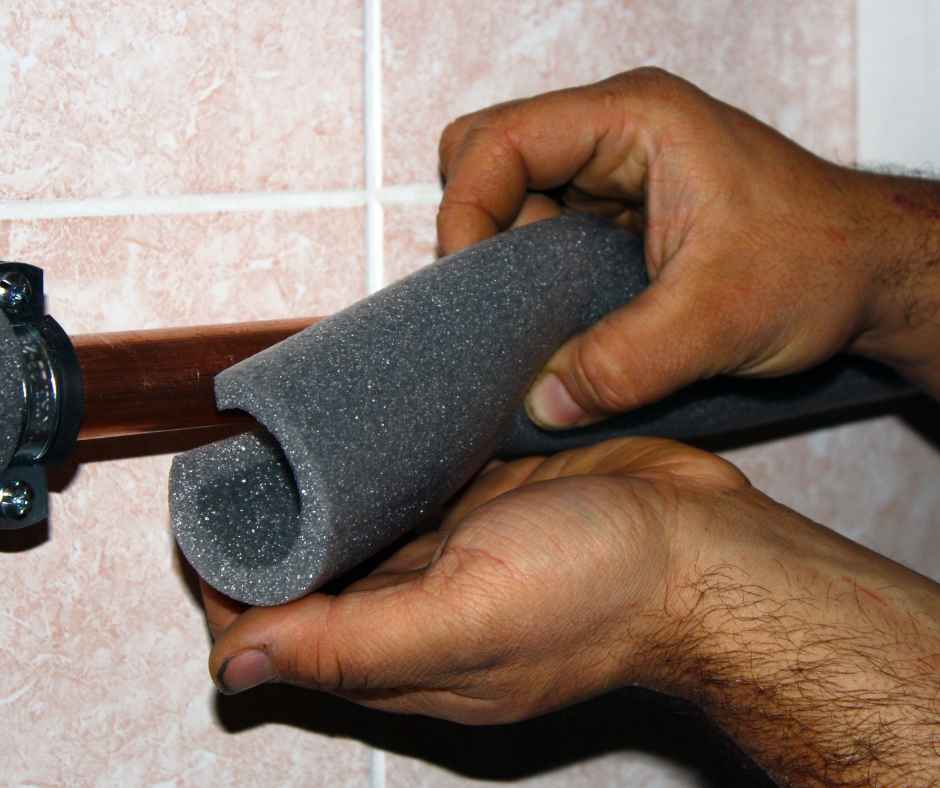
- Seal and insulation checks: Ensuring proper insulation around pipes in basements, garages, and crawl spaces provides protection from sudden temperature swings.
A fall preparation routine strengthens your plumbing system before winter arrives. Taking these steps early helps minimize the risk of freezing, leaks, and other cold-weather issues.
Signs Temperature Swings Are Damaging Your Plumbing
Seasonal temperature changes can create subtle plumbing issues that gradually worsen over time. Catching early warning signs helps prevent costly repairs and protects your home from water damage. Western New Jersey’s shifting climate makes it important for homeowners to recognize when pipes, fixtures, or appliances are being affected by temperature stress.
Common indicators of temperature-related plumbing damage include:
- Weak water pressure: Changes in pressure may signal hidden leaks, pipe narrowing, or partial blockages.
- Discolored water: Rusty, cloudy, or brown water can indicate corrosion inside pipes or water heater deterioration.
- Unusual noises: Banging, whistling, or knocking sounds often occur when pipes expand, contract, or shift within walls.
- Slow drains: Seasonal ground movement or humidity changes can affect drainage and increase the risk of buildup in sewer lines.
- Increased water bills: A sudden rise in usage may point to leaks caused by expanding and contracting pipes.
- Moisture or condensation: Damp spots around pipes or fixtures can develop when warm and cool air meet during seasonal transitions.
Recognizing these warning signs early allows homeowners to take action before damage becomes severe. Seasonal monitoring helps ensure that plumbing systems remain reliable throughout the year.
How Professional Plumbing Inspections Protect Your Home
Professional plumbing inspections provide a deeper level of protection than routine homeowner checks. Seasonal temperature swings create stresses that are not always visible, and a trained technician can identify early signs of damage before they develop into costly repairs. In Western New Jersey, where freeze-thaw cycles and summer humidity are common, professional evaluations play an important role in long-term plumbing health.
During a professional inspection, technicians typically check:
- Pipe integrity: Identifying corrosion, cracks, or stress points created by temperature fluctuations.
- Water pressure levels: Ensuring consistent, healthy pressure throughout the home.
- Drain and sewer performance: Detecting slow drains, blockages, or early root intrusion in underground lines.
- Water heater condition: Evaluating sediment buildup, thermostat accuracy, and safety valve performance.
- Exposure risks: Locating uninsulated pipes that may be vulnerable to freezing or condensation damage.
- Fixture performance: Testing faucets, valves, and connections for wear or leakage.
Seasonal inspections help prevent emergency repairs and extend the lifespan of your plumbing system. By identifying small issues early, homeowners can avoid major disruptions and maintain a safe, efficient home throughout the year.
Final Steps for Protecting Your Plumbing in Western New Jersey
Seasonal temperature swings in Western New Jersey create ongoing challenges for residential plumbing systems. From freezing winter nights to humid summer days, each shift places stress on pipes, fixtures, and appliances. Understanding how temperature changes affect your plumbing helps you take preventative steps and respond quickly when early warning signs appear.
Routine inspections, seasonal maintenance, and prompt attention to developing issues all play a part in protecting your home. When you stay proactive throughout the year, you reduce the risk of leaks, burst pipes, water heater problems, and sewer issues caused by changing weather conditions.
If you want expert support in keeping your plumbing system safe and dependable through every season, contact Harris Plumbing, Heating, Air & Electric for service today.
FAQ: Seasonal Plumbing Questions for Western New Jersey Homeowners
How often should I schedule a plumbing inspection in Western New Jersey?
Most homeowners benefit from an annual inspection, but homes with older plumbing, previous freeze damage, or recurring leaks should consider a checkup every six months to catch seasonal issues early.
Can temperature swings affect tankless water heaters?
Yes. Although tankless systems are less prone to sediment buildup, rapid temperature changes can affect flow sensors, valves, and exterior piping. Regular maintenance helps ensure reliable performance throughout the year.
Why do my pipes make noise during sudden temperature changes?
Pipes can shift or expand when temperatures rise or fall quickly. This movement may create knocking, tapping, or whistling sounds as pipes rub against framing or fittings. Insulation and proper securing often resolve the issue.
Should I be concerned about outdoor plumbing in the fall?
Yes. Early cold snaps can damage outdoor faucets and irrigation lines. Disconnecting hoses, draining exterior lines, and checking for leaks help protect outdoor plumbing before winter arrives.
Can seasonal humidity cause mold around plumbing fixtures?
High humidity in the summer can create condensation on cold-water pipes, leading to moisture buildup that encourages mold growth. Insulating exposed pipes and improving ventilation can help prevent this problem.